Gujarat Gets Approval for Two Major Maritime Infrastructure Projects: What It Means for Industrial Construction
Gujarat is set to strengthen its position as India's leading maritime state after the Ministry of Ports, Shipping and Waterways (MoPSW) granted in-principle approval for two major projects under the Shipbuilding Development Scheme.
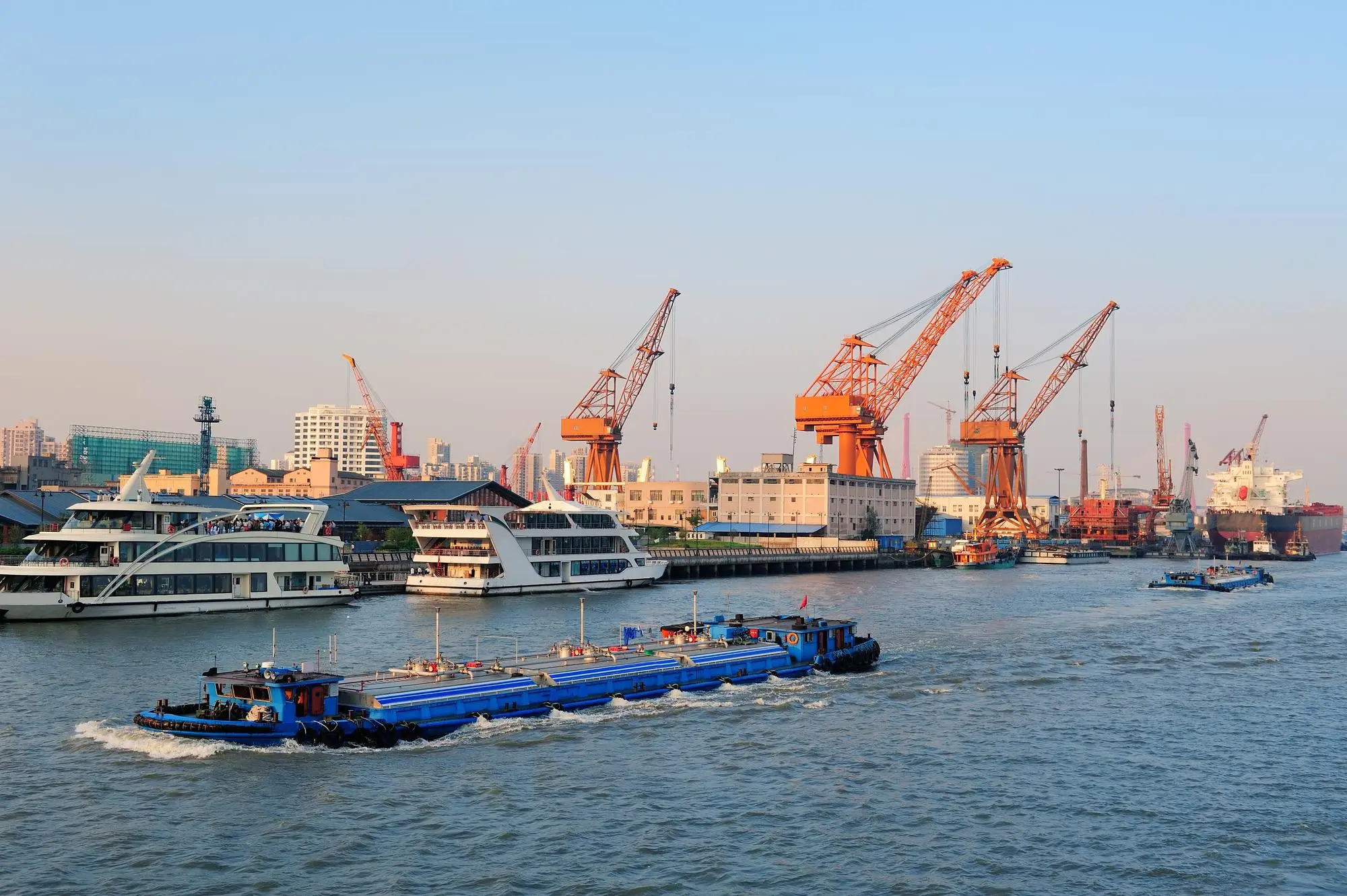
According to The Economic Times, the approvals include a Greenfield Shipbuilding Cluster in Porbandar and a ₹1,570 crore ship repair facility at Vadinar in the Gulf of Kutch. Together, these projects are expected to significantly expand India's shipbuilding and ship repair capabilities while reinforcing Gujarat's role in the country's maritime economy.
For Gujarat's construction industry, these developments represent far more than investments in ports. They are likely to drive demand for industrial construction, heavy engineering infrastructure, logistics facilities, fabrication, and supporting development across the region.
A Major Push for India's Maritime Industry
India has been working to strengthen its domestic shipbuilding and repair ecosystem to reduce dependence on overseas facilities and support the country's growing maritime ambitions.
The newly approved Greenfield Shipbuilding Cluster in Porbandar will be developed through the National Shipbuilding and Heavy Industries Park–Gujarat (NSHIP-Gujarat), a special purpose vehicle jointly promoted by the Ministry of Ports, Shipping and Waterways and the Gujarat Maritime Board.
According to the official announcement, the cluster is designed to build large commercial vessels with an annual production capacity of 1.2 to 1.5 million gross tonnage (GT).
Vadinar to Become One of India's Largest Ship Repair Facilities
Alongside the shipbuilding cluster, the Ministry has also approved financial assistance for a major ship repair facility at Vadinar.
The ₹1,570 crore project will be jointly developed by Cochin Shipyard Limited and Deendayal Port Authority.
The expansion will include:
- A 650-metre jetty
- Two large floating dry docks
- Marine workshops
- Supporting port infrastructure
Once operational, the facility will be capable of repairing commercial vessels up to 300 metres in length, significantly expanding India's domestic ship repair capacity.
Why This Matters for Gujarat
Gujarat already handles a significant share of India's maritime trade through ports such as Mundra, Kandla (Deendayal Port), Pipavav, Dahej, Hazira, and others.
The addition of large-scale shipbuilding and repair infrastructure strengthens an already well-established industrial ecosystem.
It also creates opportunities for growth in:
- Heavy engineering
- Steel fabrication
- Manufacturing
- Industrial construction
- Warehousing
- Logistics
- Marine equipment
- Port infrastructure
As these sectors expand, so does the demand for contractors, engineering companies, and construction suppliers.
Shipbuilding Requires Large-Scale Construction
Before a single vessel is built or repaired, extensive construction work is required.
Projects of this scale typically involve:
- Industrial workshops
- Fabrication facilities
- Heavy-duty foundations
- Internal roads
- Utility networks
- Drainage systems
- Warehouses
- Administrative buildings
- Marine infrastructure
These developments require significant planning, engineering expertise, and dependable construction materials.
Heavy Industrial Projects Depend on Strong Foundations
Shipbuilding facilities involve heavy structures, specialised equipment, and large operational loads.
Depending on engineering and geotechnical requirements, projects may require deep foundation systems capable of supporting long-term industrial operations.
Products such as Bore Pile Cage Reinforcement Solutions support deep foundation applications across industrial and infrastructure projects where engineered reinforcement is required.
Modern Industrial Construction Prioritises Efficiency
Industrial projects are increasingly expected to meet demanding construction schedules without compromising quality.
To improve productivity, contractors are adopting solutions that reduce on-site processing and simplify reinforcement work.
Depending on project requirements, this may include:
These solutions help contractors improve planning, reduce unnecessary handling, and support more efficient construction workflows.
Industrial Facilities Also Require Secure Infrastructure
Shipbuilding yards, repair facilities, and heavy engineering campuses extend across large operational areas.
As these developments take shape, secure site boundaries become an important part of construction planning and long-term operations.
Industrial Fencing Solutions are commonly used to secure industrial premises, logistics parks, infrastructure projects, and manufacturing facilities.
The Impact Goes Beyond Shipbuilding
Large industrial investments often create opportunities beyond the project itself.
As maritime infrastructure expands, nearby regions may also witness increased demand for:
- Industrial parks
- Supplier facilities
- Warehouses
- Commercial developments
- Worker housing
- Hotels
- Transportation infrastructure
- Utility projects
This multiplier effect is one of the reasons why major industrial investments are closely watched by the construction sector.
What This Means for Gujarat's Construction Industry
The approval of these two maritime infrastructure projects reflects Gujarat's continued importance in India's industrial and logistics landscape.
For contractors, developers, engineers, and construction companies, projects of this scale can generate demand across multiple disciplines, from civil engineering and structural construction to reinforcement, fabrication, and industrial infrastructure.
As the projects move from approval to execution, dependable procurement and reliable construction supply chains will remain critical to maintaining project timelines.
How Sachi Steel Supports Industrial and Infrastructure Projects
As one of Gujarat's largest suppliers of Tata Steel products, Sachi Steel supports residential, commercial, industrial, and infrastructure projects across the state.
Depending on project requirements, contractors can source Tata Tiscon Couplers, Weld Mesh Reinforcement Solutions, Bore Pile Cage Reinforcement Solutions, Cut & Bend Services, Industrial Fencing Solutions, and Sachi Wires through a single trusted construction partner.
By supporting multiple stages of construction, Sachi Steel helps contractors simplify procurement while meeting the demands of modern industrial projects.
Sources & Further Reading
The approvals for the Greenfield Shipbuilding Cluster in Porbandar and the Vadinar ship repair facility were reported by The Economic Times. Additional details on the Vadinar project, including its ₹1,570 crore investment, floating dry docks, and planned capacity, are also covered in The Economic Times' detailed report.
Final Thoughts
The approval of these two maritime infrastructure projects is another indication that Gujarat continues to expand beyond traditional manufacturing and logistics into high-value industrial sectors.
From shipbuilding and ship repair to heavy engineering and supporting infrastructure, these investments have the potential to generate long-term opportunities for contractors, manufacturers, suppliers, and the wider construction ecosystem.
As work begins on these projects, they will not only strengthen India's maritime capabilities but also contribute to the next phase of Gujarat's industrial and infrastructure growth.