What Is Weld Mesh?
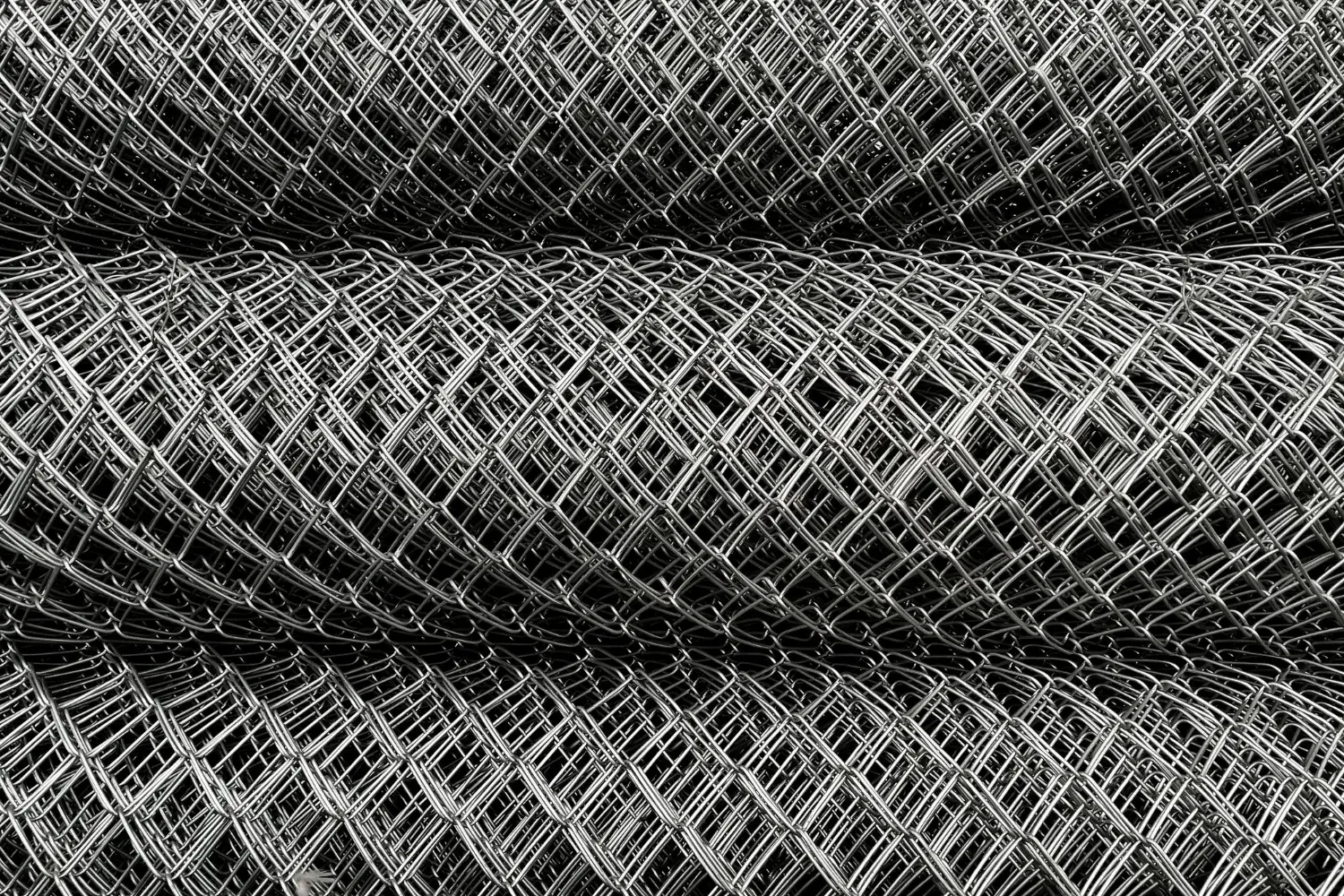
Weld mesh is a prefabricated reinforcement grid made by electrically welding steel wires at their intersections.
Unlike traditional reinforcement bars that require manual tying on-site, weld mesh reinforcement solutions provide uniform spacing, faster installation, and improved quality control.
Today, weld mesh is widely used in:
- RCC slabs
- Commercial buildings
- Industrial flooring
- Warehouses
- Infrastructure projects
- Precast construction
Why Weld Mesh Size Matters
Not all RCC slabs experience the same loading conditions.
The reinforcement requirement for a residential slab differs significantly from that of a warehouse floor or industrial structure.
Selecting the correct weld mesh size helps:
- Improve load distribution
- Reduce cracking
- Increase structural durability
- Improve reinforcement efficiency
- Reduce unnecessary steel consumption
Using an incorrect mesh size can affect both performance and construction costs.
Factors That Determine Weld Mesh Size
Slab Thickness
Thicker slabs generally require stronger reinforcement systems than thinner slabs.
Engineers typically determine reinforcement specifications based on slab depth and structural design requirements.
Load Requirements
The amount of load a slab is expected to carry directly influences reinforcement selection.
Examples include:
- Residential floors
- Commercial buildings
- Warehouses
- Industrial facilities
- Equipment foundations
Higher loads often require heavier reinforcement configurations.
Building Type
Different structures have different reinforcement requirements.
For example:
- Residential buildings
- Commercial complexes
- Warehouses
- Industrial facilities
Each project should follow structural engineering recommendations rather than relying on standard assumptions.
Span Length
Longer slab spans often require increased reinforcement capacity to control deflection and cracking.
Common Weld Mesh Applications in RCC Slabs
Residential Construction
Residential slabs typically use reinforcement designed to support standard household loading conditions.
Builders increasingly prefer prefabricated weld mesh because it reduces labour requirements and improves installation speed.
Commercial Buildings
Commercial developments often require stronger reinforcement systems due to higher occupancy and loading requirements.
Warehouse Flooring
Warehouses frequently experience heavy forklift traffic, storage loads, and operational movement.
As a result, reinforcement selection becomes even more critical.
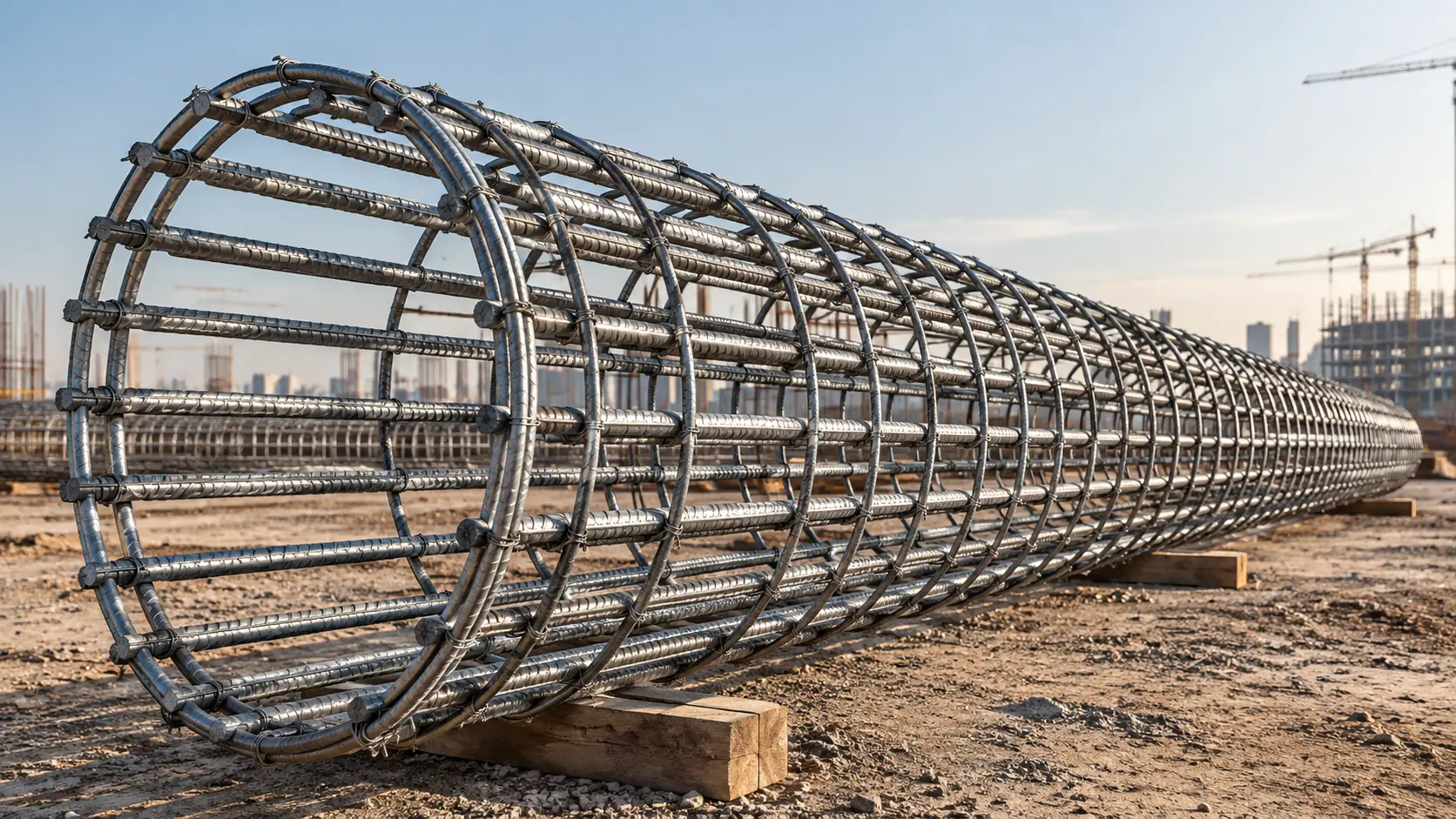
Many warehouse projects also utilize bore pile cage reinforcement solutions to strengthen deep foundation systems beneath the structure.
Industrial Facilities
Factories and manufacturing facilities often require reinforced slabs capable of supporting machinery, equipment, and heavy operational loads.
Weld Mesh vs Traditional Rebar for RCC Slabs
When selecting reinforcement for slabs, many builders compare weld mesh with traditional steel bars.
Weld mesh offers several advantages:
- Faster installation
- Uniform reinforcement spacing
- Reduced labour dependency
- Better reinforcement accuracy
- Lower steel wastage
To understand the differences in detail, read our guide on Traditional Rebar vs Weld Mesh: Which Saves More Time and Cost?.
How Builders Can Choose the Right Weld Mesh
The best approach is to work with:
- Structural engineers
- Project consultants
- Experienced reinforcement manufacturers
Rather than selecting reinforcement based solely on price, builders should focus on:
- Project requirements
- Structural design
- Load conditions
- Long-term performance
Working with an experienced weld mesh manufacturer and supplier can help ensure the correct reinforcement solution is selected for the project.
Why Weld Mesh Is Becoming the Preferred Choice in Ahmedabad
Ahmedabad continues to experience rapid growth in:
- Residential construction
- Commercial developments
- Warehousing projects
- Industrial infrastructure
To meet tighter project schedules, builders increasingly prefer weld mesh because it offers:
- Faster execution
- Improved reinforcement consistency
- Reduced labour costs
- Better project efficiency
These advantages have made weld mesh one of the most widely adopted reinforcement solutions in modern construction.
Conclusion
The best weld mesh size for an RCC slab depends on structural design requirements, slab thickness, span length, and expected loading conditions. There is no single mesh size suitable for every project.
By consulting qualified engineers and working with experienced reinforcement suppliers, builders can select the right weld mesh solution for both performance and efficiency.
As construction projects become larger and more time-sensitive, weld mesh continues to provide a reliable and cost-effective reinforcement option for residential, commercial, and industrial developments.
FAQs
What is weld mesh used for in RCC slabs?
Weld mesh is used to reinforce concrete slabs, improve load distribution, reduce cracking, and increase structural durability.
Does every RCC slab require the same weld mesh size?
No. Mesh size depends on slab thickness, loading requirements, span length, and structural design specifications.
Is weld mesh better than traditional rebar for slabs?
For many slab applications, weld mesh offers faster installation, uniform spacing, and reduced labour requirements.
Can weld mesh reduce construction costs?
Yes. Weld mesh often reduces labour costs, installation time, and material wastage.
Who decides the weld mesh size for a project?
Structural engineers and project consultants determine the appropriate reinforcement specifications based on design requirements.