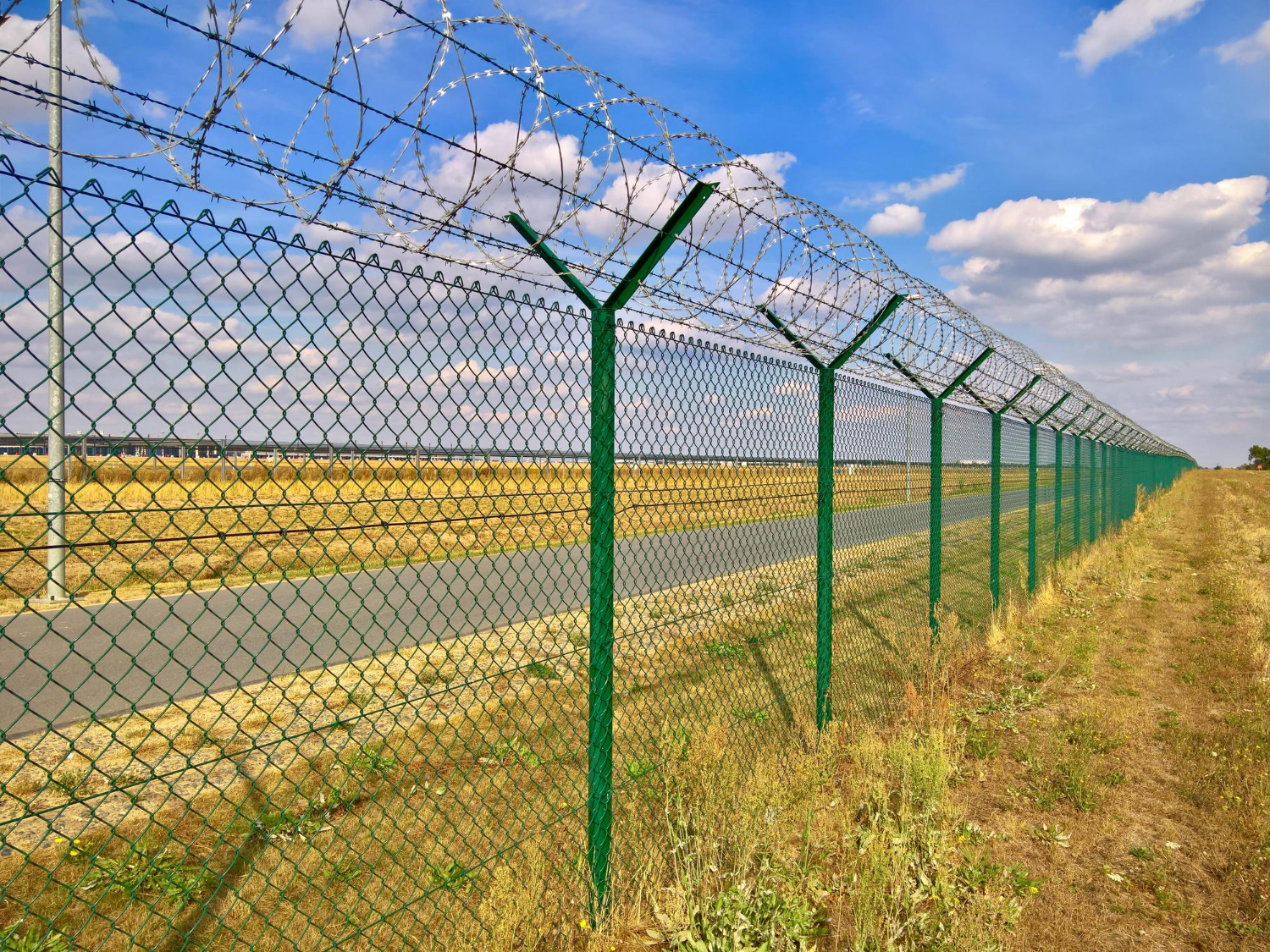
Border fencing is used to secure boundaries, stop unauthorized entry, and protect people and property by acting as the first line of defense.
The primary purpose of border fencing is to prevent unauthorized access, protect assets, and define clear boundaries. It acts as a physical and psychological barrier that deters intruders, controls movement, and enhances overall security. Border fencing is widely used in national borders, industrial areas, and infrastructure projects to ensure safety and reduce the risk of illegal activities.
In the world of growing security issues, border fencing is extremely important in securing countries, business industries, and individual premises. Fencing can be used as the initial defense line whether one is talking about international bounds, industrial areas, or infrastructural installations.
But what is the main reason for border fencing? And why then does it appear vital to modern security systems?
The step-by-step guide of Sachi Steel describes all you need to know - the purpose, the uses, the types and the significance in the real world.
What is Border Fencing?
Border Fencing is a material that is fixed along boundaries; e.g. international, industrial or restricted zones that restrict movement and provide a heightened level of security.
It is designed to:
- Limit access by unauthorized personnel.
- Define clear boundaries
- Secure human beings, property, and infrastructure.
A border fence is commonly accompanied by a bigger security framework which incorporates surveillance, guards and monitoring technologies.
Major Border Fencing Objective.
Security and access control is the primary reason of border fencing.
1. Prevent Unauthorized Entry
Border fencing is a physical border that prevents trespassers, unlawful crossings, and infiltrations.
2. Act as a Deterrent
The fact that there is a fence also sends a great psychological message that the neighborhood is secured, and criminals are deterred.
3. Control Movement
It enables the officials to know and control people coming in or out of a particular location.
4. Delay Intrusion
In case a person tries to cross the fence, fencing slows him/her down, and the response teams have time to react.
In simple terms:
Border fencing = Protection + Control + Prevention.
Key Uses of Border Fencing
The fencing of the borders is applied to various areas and not necessarily the national borders.
1. International Borders
- Stop illegal immigration.
- End cross-border crimes and smuggling.
- Enhance national security
2. Industrial Areas and Commercial Areas.
- Secure plant, stores, equipment.
- Limit unauthorized entry of workforce.
3. Infrastructure Projects
- Applied in power plants, highways, railways and airports.
- Eliminate accidents and unauthorized access.
4. Military and Special High-Security Zones.
- Protect sensitive places such as defense bases.
- Frequently used together with sophisticated surveillance systems.
5. Agricultural Land
- Protect crops from animals
- Prevent land encroachment
Benefits of Border Fencing
1. Enhanced Security
- A high level of protection against intrusion, theft and vandalism is the greatest benefit.
2. Clear Boundary Definition
- Fencing removes conflicts by defining boundaries of property or countries.
3. Access Control
- Gates, biometric, or guards can be used to control entry points.
4. Asset Protection
- Critical assets such as equipment, vehicles and infrastructure are secure.
5. Affordable Security System.
- Fencing is cheap and durable when compared with walls or the use of manpower.
6. Technological integration.
The modern fencing can be combined with:
- CCTV
- Motion sensors
- Alarm systems
This brings about a multi-pole security system.
Types of Border Fencing
The selection of the type of fencing to be used is dependent on the level of security, cost, and the area.
1. Chain Link Fencing
- Affordable and widely used
- Seasonal in the industrial and public space.
- Allows visibility
2. Welded Mesh Fencing
- Strong and durable
- Anti-climb design
- Used in high-security zones
3. Barbed Wire Fencing
- Cost-effective
- Sharp edges deter intruders
- Popular in the countryside and border regions.
4. Razor Wire Fencing
- High-security fencing
- Applied in military areas and prison.
- Very hard to get across.
5. Electric Fencing
- Provides administered electric shock.
- Powerful repellent of humans and beasts.
6. Concrete or Steel Barriers
- Maximum protection
- Used in national borders
- Expensive and very safe.
The Reason Why Border Fencing is Important to Security.
Border fencing is not only a barrier that prevents but a key component of the modern security plan.
1. First Line of Defense
- It serves as the first barrier to high-tech security measures such as alarms and guards.
2. Reduces Crime Risk
Fencing considerably decreases:
- Theft
- Vandalism
- Illegal activities
3. Favors Surveillance Systems.
Fences are most effective in combination with:
- Cameras
- Sensors
- Patrol systems
4. Ensures Public Safety
It prevents:
- Intrusion into hazardous places.
- Constructions/industrial accidents.
The question of which Border Fencing to select.
In choosing fencing in your project, it should be:
- Level of security demanded (low, medium, high)
- Durability of the materials (steel, wire, concrete)
- Environmental conditions
- Budget and maintenance
- Smart security system integration.
To get high-quality solutions, we at Sachi Steel also offer long-lasting and customizable fencing systems to meet the needs of industrial and infrastructure.
Conclusion
The main aim of the border fencing is to secure borders, avoid unauthorized access and secure property.
Fencing has been one of the best security solutions in international borders to industrial facilities.
Key Takeaway:
Border fencing is not simply a wall, it is a whole security strategy basin.
FAQ
What is the main purpose of border fencing?
The main purpose is to prevent unauthorized access and enhance security by acting as a physical and psychological barrier.
Which type of fencing is best for security?
Welded mesh, razor wire, and electric fencing are best for high-security applications.