
What Is Binding Wire?
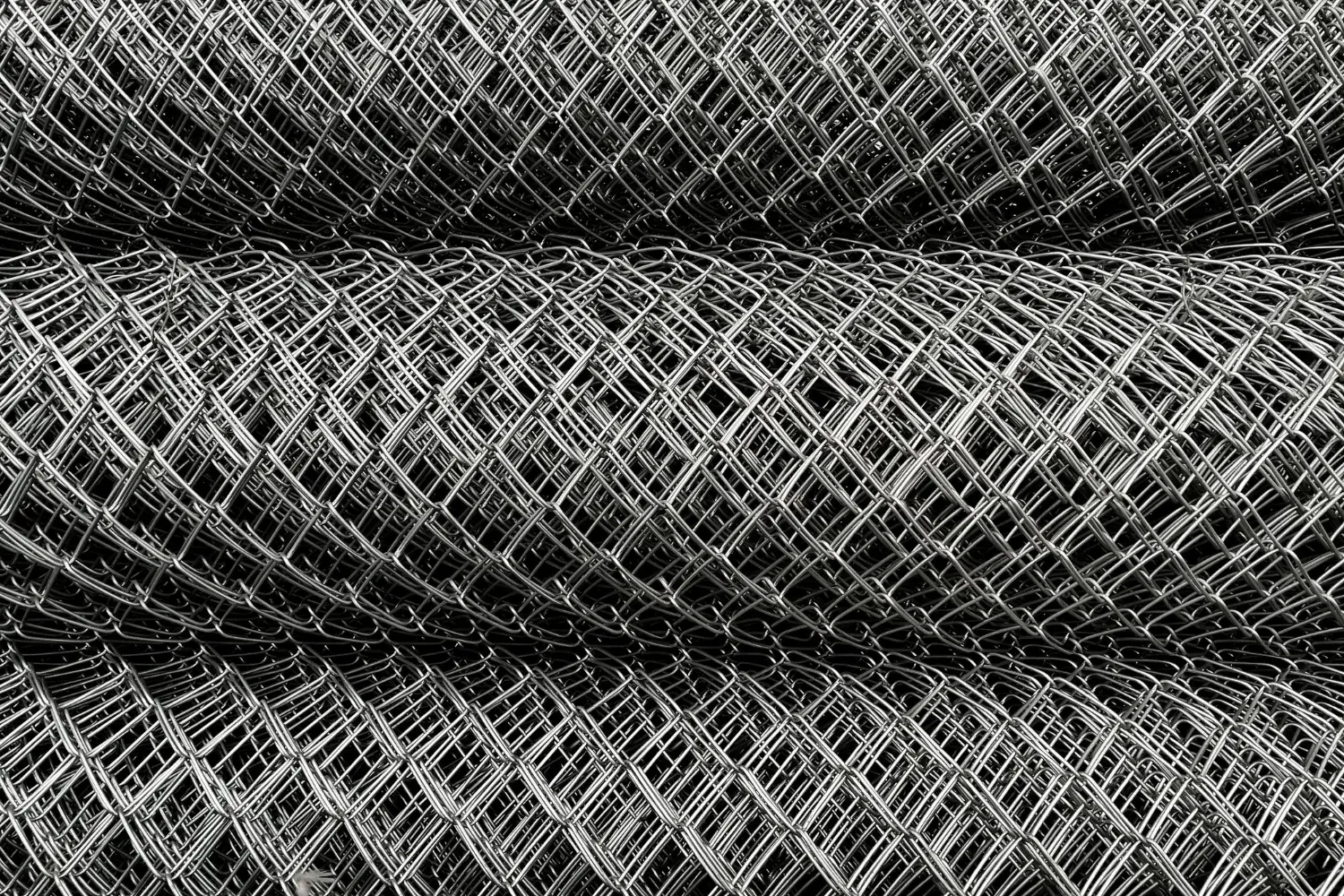
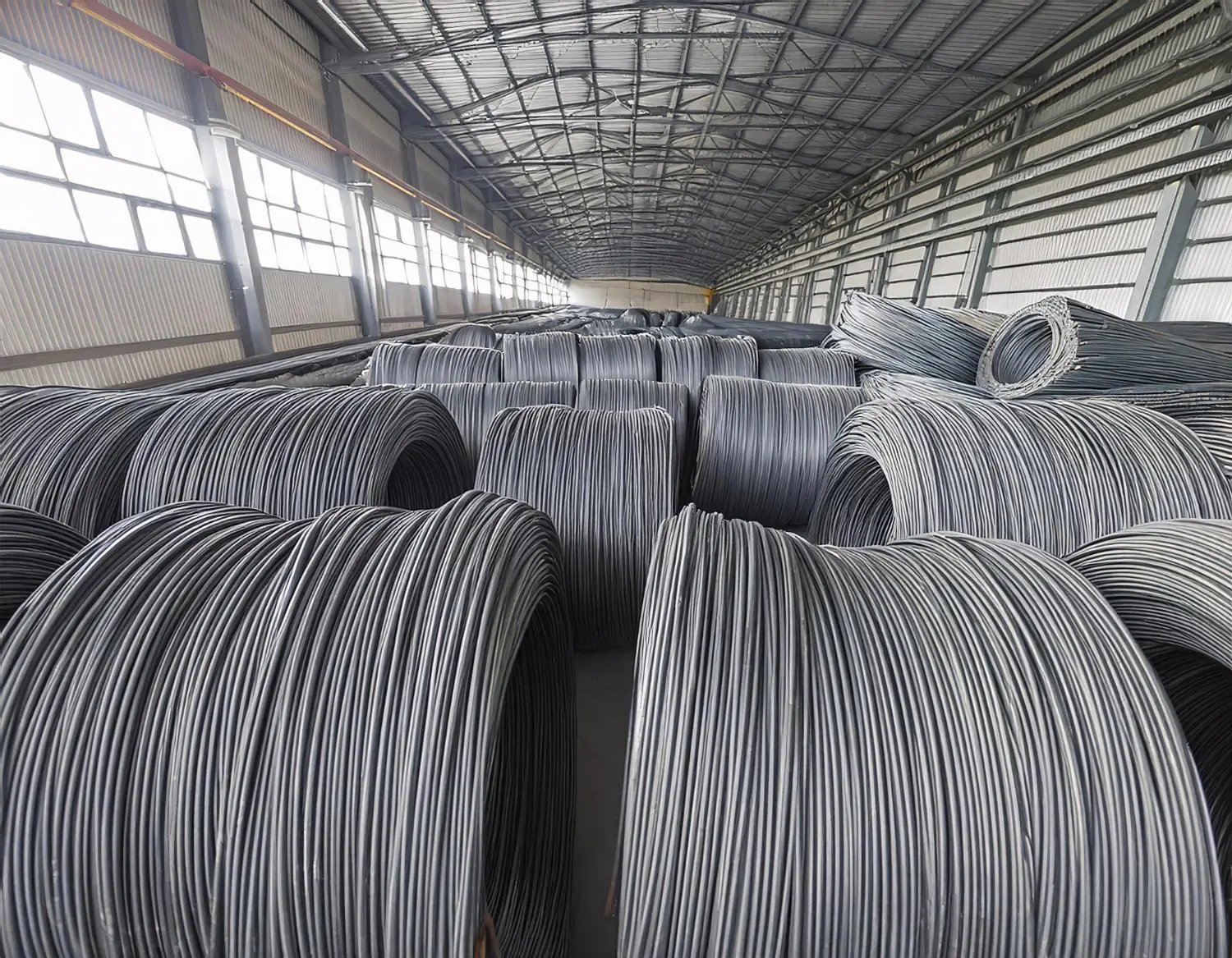
Binding wire is a thin and flexible steel wire used mainly to tie reinforcement steel bars (TMT bars) together during construction work.
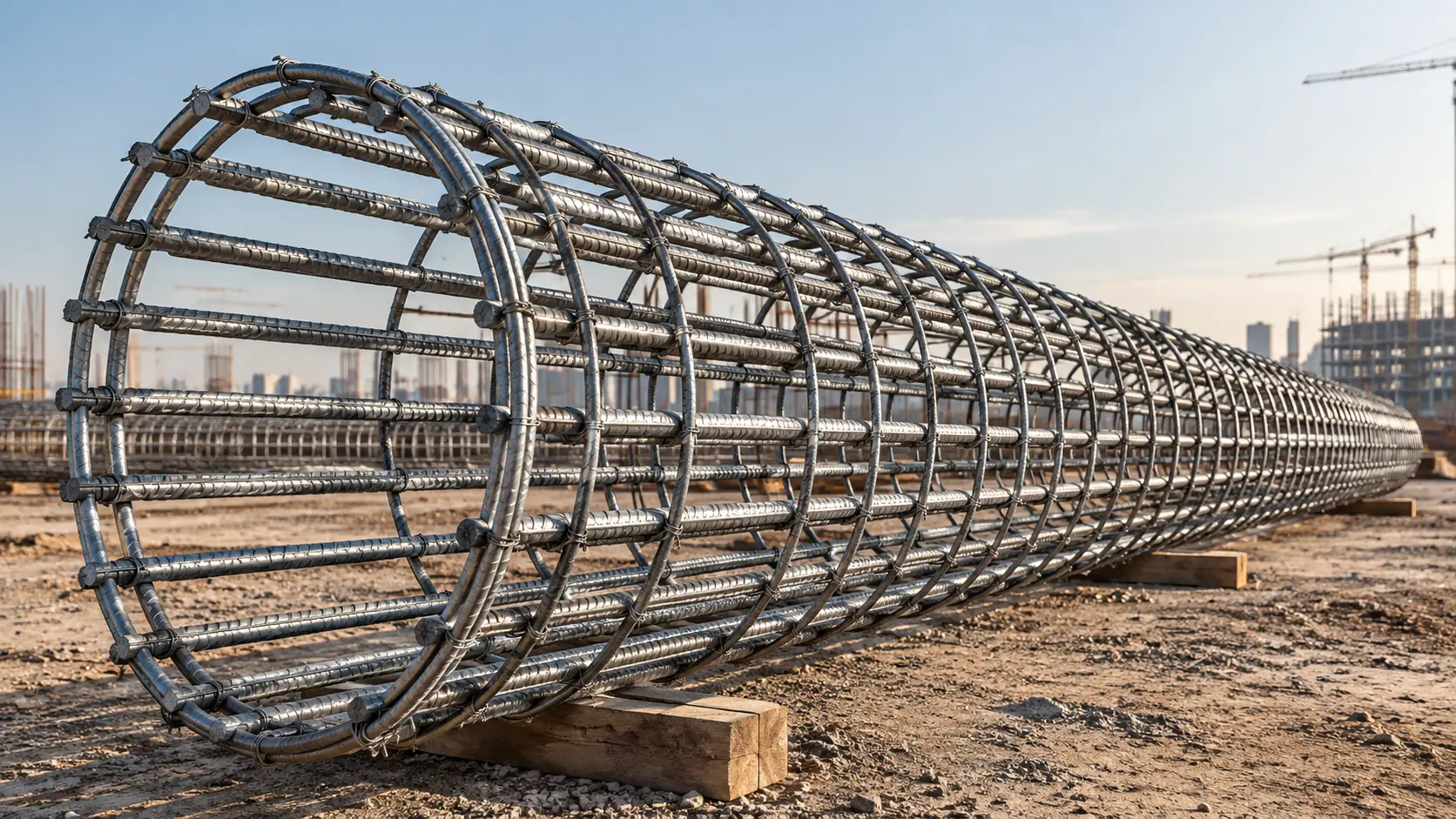
Its primary purpose is to secure reinforcement bars in their correct position before concrete is poured. This ensures that steel bars remain properly aligned and structurally positioned during RCC construction.
Construction workers use steel binding wire to create strong connections between reinforcement bars in slabs, columns, beams, foundations, and other structural elements.
Because of its flexibility and strength, binding wire is easy to twist, tie, and secure around steel reinforcement.
In simple terms, binding wire acts like a support system that keeps steel bars stable until concrete hardens and permanently locks the reinforcement structure.
Why Is Binding Wire Used in Construction?
Binding wire plays an important role in maintaining reinforcement alignment and structural consistency.
Without proper tying of steel bars, reinforcement cages may shift during concrete placement, affecting structural strength and load distribution.
Binding wire in construction is mainly used for:
Tying TMT Bars
One of the most common uses of TMT binding wire is securing reinforcement bars together.
Builders and contractors use binding wire to tie intersections between steel bars in RCC structures.
Maintaining Steel Position
During concrete pouring, vibration and movement may shift reinforcement bars.
Binding wire helps maintain proper spacing and structural positioning.
Supporting RCC Construction
RCC (Reinforced Cement Concrete) structures rely heavily on reinforcement stability.
Binding wire ensures steel frameworks stay properly connected until concrete curing is complete.
Improving Construction Efficiency
Good-quality construction binding wire allows workers to tie reinforcement quickly and efficiently.
This helps reduce labour time and improves workflow at the construction site.
Where Is Binding Wire Used in Construction?
Binding wire applications extend across different types of projects.
Residential Construction
In house construction, binding wire is used extensively in foundations, slabs, beams, and columns.
It helps maintain reinforcement alignment for stronger RCC structures.
Commercial Buildings
Large commercial projects require strong reinforcement systems.
Binding wire is commonly used in office buildings, malls, hospitals, and institutional projects.
Industrial Construction
Factories, warehouses, and industrial structures often require large reinforcement frameworks.
High-quality steel binding wire helps secure steel cages efficiently.
Infrastructure Projects
Roads, bridges, flyovers, and public infrastructure rely on reinforcement systems that require proper steel fixing.
Binding wire supports reinforcement stability in these heavy construction applications.
Foundations, Columns, and Beams
RCC foundations and structural frameworks require secure tying of steel reinforcement.
Binding wire helps hold reinforcement in place during structural development.
Importance of Binding Wire in RCC Construction
Reinforced Cement Concrete structures depend on steel reinforcement for strength and durability.
Before concrete pouring begins, steel bars must remain securely fixed in their planned position.
Binding wire ensures reinforcement cages stay stable during:
- Concrete pouring
- Reinforcement positioning
- Structural vibration
- Framework assembly
Improper tying may result in shifting reinforcement, which can impact structural performance.
That is why contractors and engineers usually prefer durable and flexible binding wire for RCC work.
Types of Binding Wire Used in Construction
Different construction projects may require different types of binding wire depending on environmental conditions, durability needs, and project requirements.
Annealed Binding Wire
Annealed binding wire is one of the most widely used types in construction.
It is known for flexibility and softness, making it easy to bend and tie around steel bars.
Contractors commonly use annealed binding wire for reinforcement fixing because it offers strong tying capability without breaking easily.
GI Binding Wire
GI (Galvanized Iron) binding wire has a protective zinc coating that improves resistance against corrosion.
It is often preferred in projects where moisture resistance is important.
GI binding wire may be suitable for coastal regions or environments exposed to humidity.
Black Binding Wire
Black binding wire is commonly used in regular construction projects.
It is economical and widely available for reinforcement tying.
Many builders prefer black binding wire for standard RCC applications.
PVC Coated Binding Wire
PVC-coated wire includes an additional protective layer for enhanced resistance and durability.
It may be used in projects requiring extra environmental protection.
Common Binding Wire Sizes and Gauges
Binding wire is available in different sizes and thickness levels.
The right wire gauge depends on construction requirements and tying applications.
Generally, thinner wires offer more flexibility, while thicker wires may provide greater strength.
In construction, commonly used binding wire gauges are selected based on:
- Steel reinforcement size
- RCC structure requirements
- Project type
- Labour preference
- Tying speed and efficiency
Choosing the correct binding wire size improves ease of handling and reinforcement stability.
Contractors usually select wire thickness based on practical site requirements.
Benefits of Using High-Quality Binding Wire
Using durable and reliable binding wire provides several practical advantages during construction.
Better Reinforcement Stability
Strong binding wire helps maintain steel positioning during RCC work.
This reduces movement during concrete pouring.
Improved Work Efficiency
Flexible wire allows faster tying and reduces labour effort.
Workers can complete reinforcement fixing more efficiently.
Reduced Breakage
Low-quality wire may snap during tying.
Good-quality binding wire reduces wastage and improves reliability.
Better Structural Consistency
Properly tied reinforcement improves overall structural alignment.
Cost Efficiency
Although binding wire is relatively inexpensive, choosing quality products can reduce material wastage and labour inefficiencies.
How to Choose the Right Binding Wire for Construction Projects
Choosing the right binding wire depends on several factors.
Consider Project Type
Residential, industrial, and infrastructure projects may have different reinforcement requirements.
Evaluate Wire Flexibility
Flexible wire is easier to tie and improves worker productivity.
Check Strength and Durability
Durable binding wire reduces snapping and provides stronger reinforcement holding.
Consider Environmental Conditions
For humid or moisture-prone environments, GI binding wire may be a better option.
Buy from Reliable Suppliers
Using trusted construction material suppliers helps ensure product quality and consistency.
Common Mistakes to Avoid While Choosing Binding Wire
Choosing Only Based on Price
Cheap binding wire may compromise flexibility and durability.
Ignoring Wire Quality
Poor-quality wire can break easily and slow construction work.
Using the Wrong Gauge
Incorrect wire thickness may affect tying efficiency.
Buying from Unverified Sources
Reliable suppliers generally provide more consistent product quality.
Binding Wire vs Other Steel Tying Methods
Several steel tying methods exist, but binding wire remains one of the most preferred options because of affordability, simplicity, and flexibility.
Compared to mechanical tying systems, binding wire is practical for both small and large construction projects.
Its ease of use makes it especially popular in RCC foundations, residential construction, industrial work, and infrastructure projects.
For most builders and contractors, steel binding wire continues to be a dependable reinforcement fixing solution.
Why Contractors Prefer Reliable Construction Material Suppliers
Construction quality depends not only on major materials but also on supporting products such as binding wire.
Builders, contractors, and infrastructure companies often prefer reliable suppliers that provide consistent material quality, timely delivery, and dependable steel solutions.
Sachi Steel supports construction and infrastructure projects with quality steel and construction-related materials designed to meet project requirements efficiently.
For contractors looking for dependable construction material support, selecting a trusted supplier can improve project execution and operational efficiency.
Conclusion
Binding wire may look like a small construction material, but its role in reinforcement stability and RCC construction is extremely important.
From tying TMT bars to maintaining reinforcement positioning during concrete pouring, binding wire helps ensure stronger structural support and efficient construction execution.
Whether it is a residential project, commercial building, industrial facility, or infrastructure work, choosing the right binding wire improves safety, efficiency, and construction quality.
Understanding different types, sizes, and practical applications can help contractors, builders, and engineers make better material decisions for long-term project performance.
If you are looking for reliable steel and construction material solutions, working with trusted suppliers such as Sachi Steel can help support smoother project execution and quality outcomes.
Frequently Asked Questions (FAQs)
1. What is binding wire used for in construction?
Binding wire is mainly used to tie TMT bars and reinforcement steel together during RCC construction.
2. Why is binding wire important in RCC work?
It helps keep reinforcement bars stable and properly aligned during concrete pouring.
3. What are the common types of binding wire?
Common types include annealed binding wire, GI binding wire, black binding wire, and PVC-coated wire.
4. Which binding wire is best for construction?
The best type depends on project needs, environmental conditions, and reinforcement requirements.
5. What is GI binding wire?
GI binding wire is galvanized iron wire designed for better corrosion resistance.