A Bar Bending Schedule (BBS) is one of the most important documents used to plan reinforcement for an RCC construction project. It translates structural drawings into a detailed list of reinforcement bars, including their diameter, shape, dimensions, quantity, and cutting length.
When reinforcement is planned only by referring to drawings at the construction site, teams may face measurement errors, material wastage, repeated cutting, delays, and difficulty coordinating steel requirements across different construction stages.
A properly prepared BBS helps contractors, site engineers, structural consultants, and reinforcement suppliers work from a consistent material plan. It also supports more organised procurement and makes Cut & Bend reinforcement easier to coordinate with the project schedule.
For projects that require accurate, ready-to-use reinforcement, Sachi Steel’s Cut & Bend services can support the transition from reinforcement drawings to prepared steel components, helping reduce the amount of cutting and bending required at the site.
What Is a Bar Bending Schedule?
A Bar Bending Schedule is a structured reinforcement document prepared from approved structural drawings. It identifies the reinforcement required for individual structural elements and provides the information needed to estimate, prepare, inspect, and place the steel.
A typical BBS includes:
- Bar mark or identification number
- Structural element or location
- Reinforcement bar diameter
- Bar shape and bending details
- Dimensions and cutting length
- Number of bars required
- Total length or calculated weight
- Relevant drawing or revision reference
The exact format may vary depending on the project, structural consultant, and reinforcement detailing requirements.
Why BBS Is More Than a Quantity Sheet
A BBS is not simply a list of how much steel a project needs. It also communicates how each bar must be prepared and where it belongs.
For example, reinforcement for a beam may include straight bars, bent-up bars, and stirrups. A slab may require bars in different directions, while a column may require longitudinal reinforcement and ties. The BBS identifies these requirements so that the reinforcement can be prepared and organised correctly.
This makes the schedule useful for material planning, fabrication, delivery coordination, and site execution.
Why Is a Bar Bending Schedule Important in Construction?
Reinforcement work involves multiple activities that must happen in the right sequence. Steel must be estimated, procured, prepared, delivered, checked, and installed according to the construction drawings.
Without a clear reinforcement schedule, these activities can become difficult to coordinate.
1. It Supports More Accurate Steel Estimation
Structural drawings show reinforcement details, but a BBS organises those details into measurable quantities.
This helps project teams estimate the steel required for different structural elements and construction stages. It also supports more informed procurement planning, reducing the risk of ordering too much or too little material.
For projects using Tata Tiscon TMT bars supplied by Sachi Steel, accurate estimation can help align material requirements with the project’s reinforcement plan.
2. It Helps Reduce Cutting and Bending Errors
When reinforcement is prepared directly at the site, workers may need to repeatedly refer to drawings, measure bars, mark lengths, and confirm bending dimensions.
A detailed BBS gives the fabrication team a consistent reference for preparing each bar. This can help reduce avoidable measurement errors and repeated fabrication work.
Where the project requires prepared reinforcement, Sachi Steel’s Cut & Bend solutions can help contractors coordinate reinforcement preparation with approved bar details.
3. It Improves Construction Site Organisation
A construction site may have reinforcement for foundations, columns, beams, slabs, and other elements arriving or being prepared at different times.
A BBS helps identify which bars belong to which structural element. When reinforcement is properly marked and organised, site teams can more easily locate the required material during installation.
This is particularly useful on projects with multiple construction zones or repetitive structural elements.
4. It Supports Better Material Planning
Reinforcement requirements change as a project progresses from foundations to the superstructure.
A BBS helps teams break down material requirements according to construction stages. Instead of treating the entire project as one large steel requirement, contractors can plan reinforcement around approved drawings and execution milestones.
This can support better coordination between the site team, procurement team, and reinforcement supplier.
5. It Helps Improve Coordination Between Teams
The BBS connects structural detailing with procurement and fabrication. Structural consultants, site engineers, contractors, and reinforcement suppliers can refer to the same bar identification and dimensions.
Clearer coordination can help reduce misunderstandings about bar quantities, dimensions, and preparation requirements.
What Information Should Contractors Check in a BBS?
Before reinforcement is ordered or prepared, contractors and site engineers should review the schedule carefully.
Bar Diameter
The diameter must match the approved structural drawings and reinforcement specifications. Different structural elements may require different bar diameters, so the schedule should clearly identify each requirement.
Bar Shape and Bending Details
Bars may be straight, bent, hooked, or shaped to suit a particular structural element. The bending details must be clear enough for the fabrication team to prepare the bars correctly.
Cutting Length
The cutting length should be calculated according to the approved bar dimensions and detailing requirements. Contractors should avoid relying on informal measurements or assumptions where the schedule is unclear.
Quantity and Bar Marking
Each bar should have a clear identification mark and quantity. Consistent marking makes it easier to check fabricated reinforcement against the schedule and organise it for installation.
Drawing References and Revisions
The BBS should correspond to the latest approved structural drawings. If drawings are revised, the reinforcement schedule must be reviewed to ensure that fabrication and procurement are not based on outdated information.
Structural Element and Location
The schedule should make it clear where each bar is intended to be used. This may include the foundation, column, beam, slab, pile, or another structural element.
For projects involving prepared reinforcement components, Sachi Steel’s reinforcement solutions can be coordinated with project-specific requirements and approved details.
How Does BBS Support Cut & Bend Reinforcement?
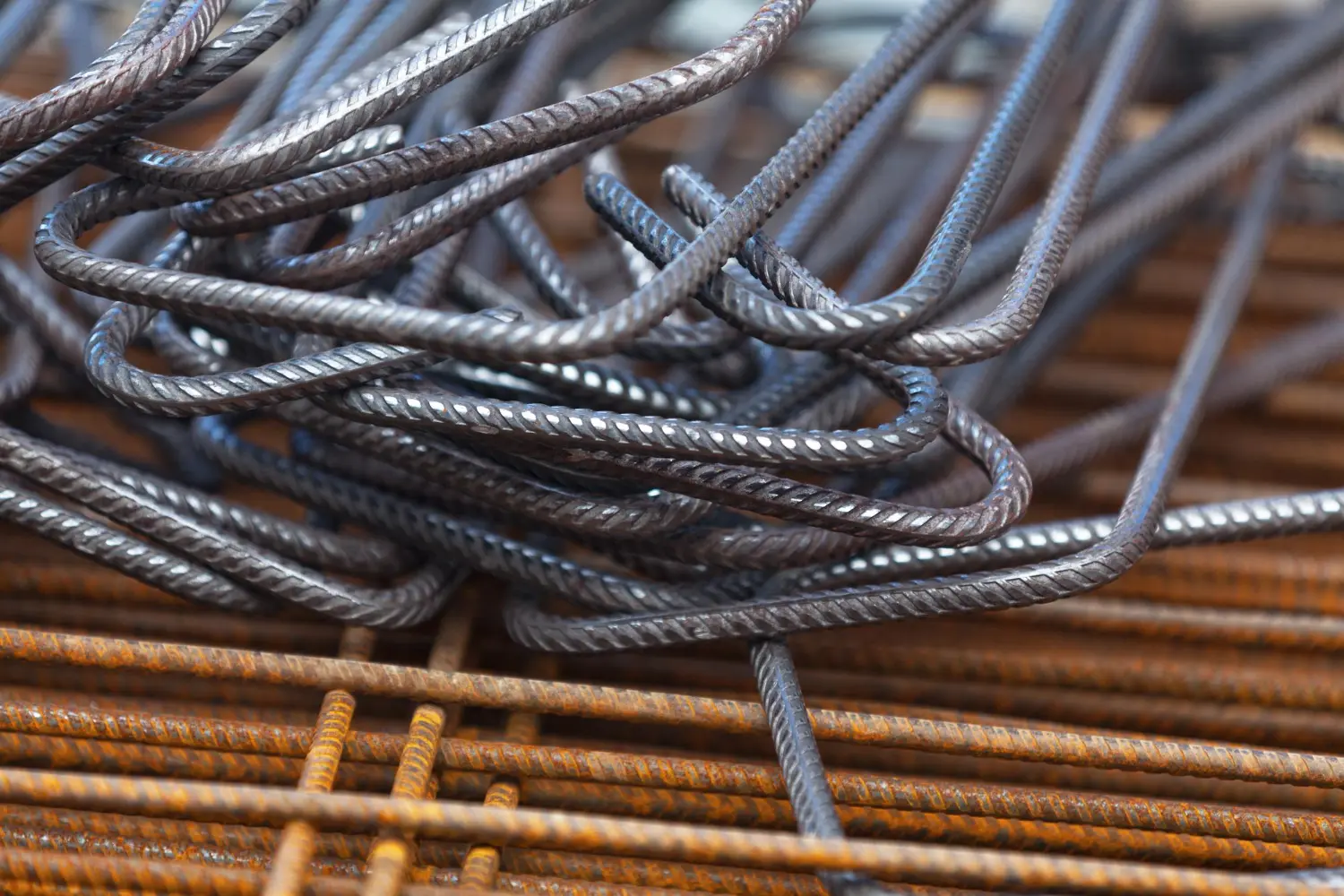
Cut & Bend reinforcement involves preparing reinforcement bars to specified lengths and shapes before they reach the point of installation.
The BBS provides the information required to prepare these components. When the schedule is complete and approved, reinforcement preparation can be organised around bar marks, quantities, dimensions, and delivery requirements.
From Structural Drawings to Prepared Reinforcement
A typical process may involve:
- Reviewing approved structural drawings
- Preparing or verifying the Bar Bending Schedule
- Confirming bar diameters, shapes, dimensions, and quantities
- Coordinating reinforcement requirements with the supplier
- Preparing bars according to approved details
- Organising prepared reinforcement by structural element or construction stage
- Checking delivered material against the schedule before installation
The specific workflow depends on the project and the responsibilities assigned to the structural consultant, contractor, and supplier.
Why Contractors Consider Cut & Bend Services
Preparing reinforcement at the site requires suitable space, labour, equipment, supervision, and coordination. For some projects, using prepared reinforcement can help reduce the amount of on-site cutting and bending.
The potential benefits depend on the project’s scale, reinforcement complexity, schedule, and site conditions. Contractors should evaluate the service against their actual project requirements rather than assuming the same outcome for every site.
Common BBS Mistakes Contractors Should Avoid
Even a detailed schedule can create problems if it is prepared or used incorrectly.
Using Outdated Structural Drawings
A schedule prepared from an earlier drawing revision may not reflect the latest reinforcement requirements. Always confirm that the BBS corresponds to the approved drawing revision before procurement or fabrication.
Unclear Bar Shapes or Dimensions
If bending shapes or dimensions are incomplete, fabrication teams may need clarification before preparing the bars. Ambiguity should be resolved by the responsible structural professional rather than filled in through assumptions.
Incorrect Bar Identification
If bar marks are inconsistent between the schedule, fabricated reinforcement, and site drawings, locating and checking the required bars becomes more difficult.
Poor Coordination Between Procurement and Site Execution
Ordering reinforcement without considering the construction sequence can create storage and handling challenges. Procurement should be coordinated with the planned execution stages wherever practical.
Treating the BBS as a Substitute for Approved Drawings
The BBS supports reinforcement planning, but it does not replace approved structural drawings or professional engineering decisions. Any discrepancy between drawings and the schedule should be clarified with the responsible structural consultant.
How Sachi Steel Supports Reinforcement Planning
Sachi Steel supports construction projects with reinforcement and steel solutions designed to align with different project requirements.
Cut & Bend Reinforcement
Sachi Steel’s Cut & Bend services support projects that require reinforcement prepared according to specified dimensions and shapes. This can help contractors coordinate fabrication with the reinforcement schedule and construction sequence.
Tata Tiscon TMT Bars
For projects requiring TMT reinforcement, Sachi Steel supplies Tata Tiscon TMT bars, helping contractors coordinate steel procurement with their approved reinforcement requirements.
Couplers
Where mechanical reinforcement connections are specified, Sachi Steel’s couplers can be considered as part of the project’s reinforcement system. Their selection and use should follow the structural design and project specifications.
Weld Mesh
For applications where reinforcement mesh is specified, Sachi Steel’s weld mesh provides another reinforcement option for contractors to evaluate according to the project’s design requirements.
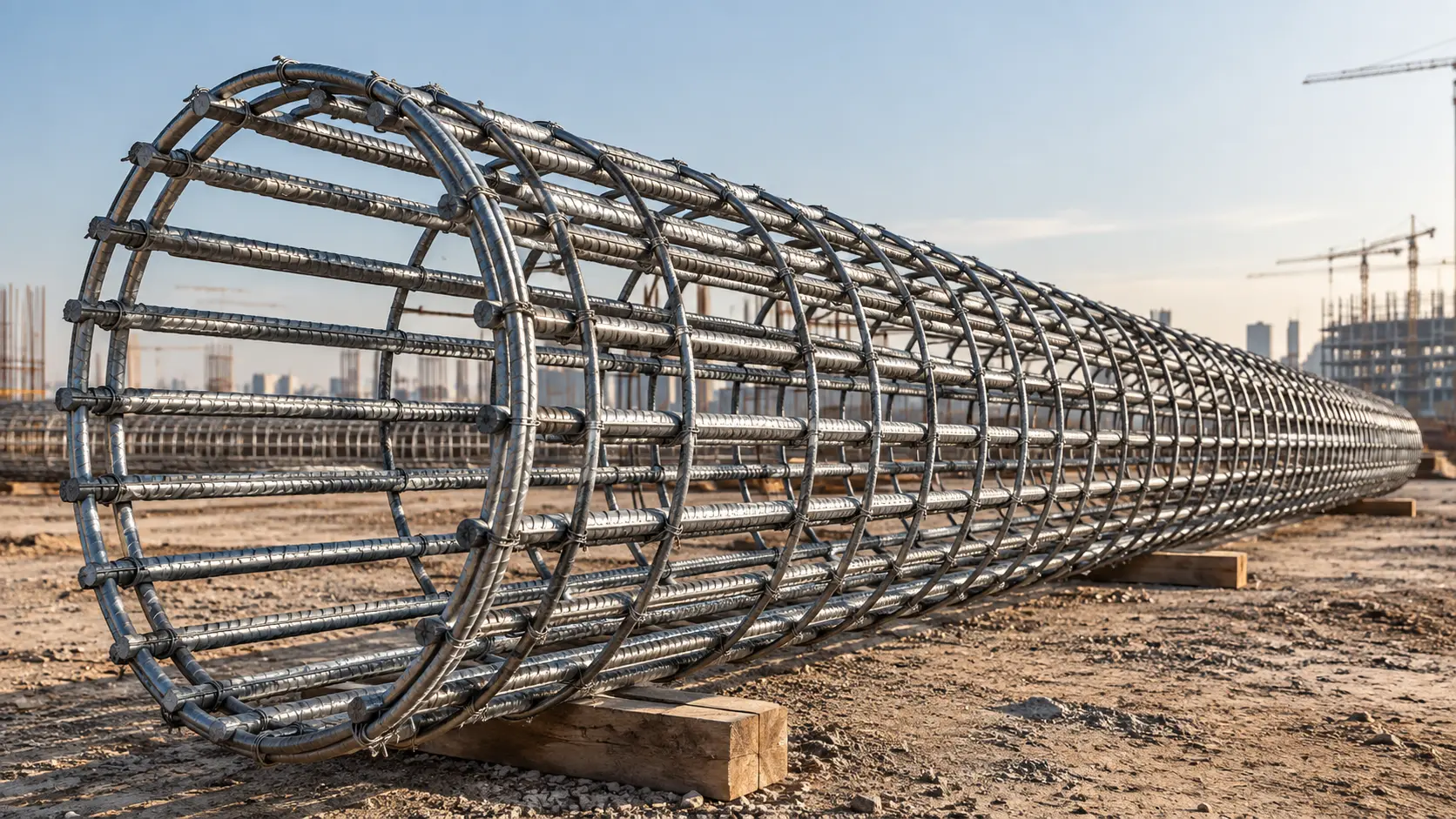
Bore Pile Cages
For foundation work involving bored piles, Sachi Steel’s bore pile cages can support reinforcement requirements for the relevant foundation elements.
Contractors can explore the complete range of Sachi Steel products or contact the team to discuss project-specific requirements.
Frequently Asked Questions
What is the full form of BBS in construction?
BBS stands for Bar Bending Schedule. It is a document that lists reinforcement bar details such as diameter, shape, dimensions, cutting length, and quantity for structural elements.
Who prepares a Bar Bending Schedule?
A BBS is generally prepared by a qualified reinforcement detailer or engineer based on approved structural drawings. The responsible project professionals should review and approve it according to the project’s procedures.
Is a BBS required for every RCC project?
The level of BBS detail and the project’s documentation requirements may vary. For reinforcement-intensive projects, a detailed schedule can support quantity estimation, fabrication, material coordination, and site execution.
What is the difference between a BBS and a structural drawing?
Structural drawings communicate the design and reinforcement arrangement of structural elements. A BBS organises the reinforcement shown in those drawings into a bar-by-bar schedule with dimensions, shapes, quantities, and other fabrication information.
Can a BBS help reduce steel wastage?
A properly prepared and followed BBS can support more accurate estimation and planned cutting, which may help reduce avoidable wastage. Actual results depend on design, detailing, fabrication practices, procurement, and site handling.
How is BBS connected to Cut & Bend services?
The BBS provides the bar dimensions, shapes, and quantities used to prepare reinforcement. Cut & Bend services use these details to prepare bars before they are delivered for installation.
What should contractors do if the BBS does not match the drawings?
Contractors should pause the affected procurement or fabrication activity and seek clarification from the responsible structural consultant or engineer. They should not resolve structural discrepancies through assumptions.
Conclusion
A Bar Bending Schedule helps turn reinforcement drawings into a practical material and fabrication plan. By clearly identifying bar dimensions, shapes, quantities, and locations, it supports more organised procurement, reinforcement preparation, and site execution.
For contractors managing complex RCC work, combining an accurate BBS with well-coordinated reinforcement supply and Cut & Bend services can make the reinforcement process easier to plan and manage.
Sachi Steel provides Tata Tiscon TMT bars, Cut & Bend reinforcement, couplers, weld mesh, and other construction steel solutions to support contractors across different project requirements.