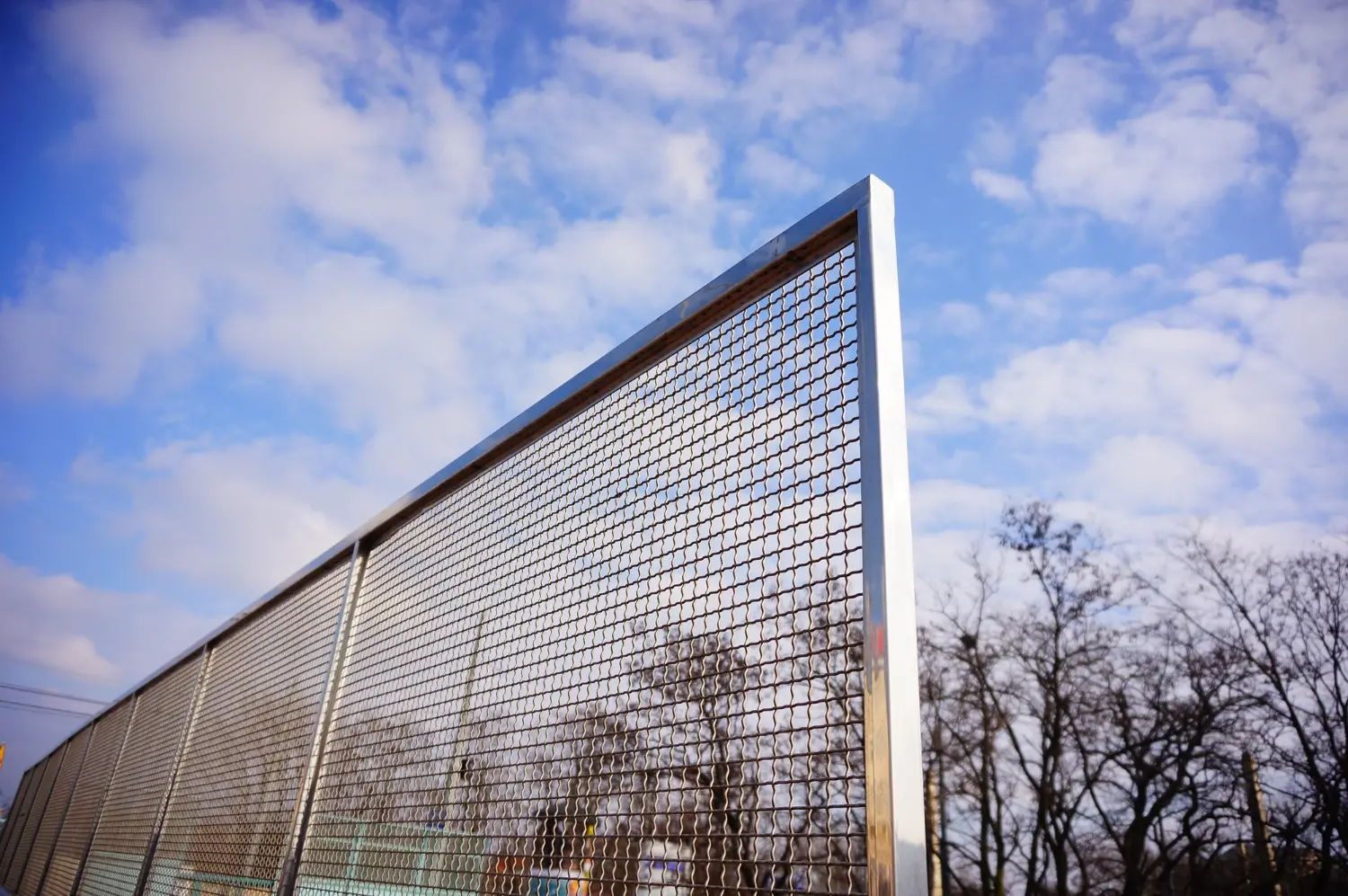
Industrial boundary fencing plays an important role in protecting factories, warehouses, infrastructure sites, agricultural land, and commercial properties. It helps define property limits, restrict unauthorised access, and create a visible security perimeter.
However, fencing that begins to corrode, sag, or lose its shape before the end of its expected service life can become a recurring expense. Replacing damaged sections, repairing support structures, and maintaining an exposed boundary can increase costs and disrupt site operations.
One of the most important decisions when selecting chain link fencing is choosing the right material and coating for the environment in which it will be installed. Galvanised iron (GI) chain link fencing and PVC-coated chain link fencing are two commonly considered options, each offering advantages for different site conditions.
For projects that require dependable perimeter protection, Sachi Steel’s fencing solutions include GI, PVC-coated, and stainless steel chain link fencing options for a range of applications.
This guide explains why boundary fencing may deteriorate prematurely, how GI and PVC-coated chain link fencing differ, what buyers should evaluate before placing an order, and how to select a fencing solution suited to long-term site requirements.
Why Industrial Boundary Fencing May Deteriorate Before Expected
Fencing is often installed outdoors and exposed to changing weather conditions throughout the year. The material, coating, installation quality, and surrounding environment all influence how well it performs over time.
1. Exposure to moisture and rainfall
Rainwater, humidity, and prolonged dampness can accelerate corrosion in metal fencing when the protective coating is damaged, inadequate, or unsuitable for the environment.
This can be particularly relevant for sites with:
- Heavy or seasonal rainfall
- High humidity
- Water accumulation near the fence line
- Poor drainage
- Frequent washing or water exposure
- Irrigation systems operating close to the boundary
A fencing material selected without considering these conditions may require more frequent inspection and maintenance.
2. Industrial and chemical exposure
Industrial sites may expose fencing to dust, fumes, airborne contaminants, or chemicals depending on the surrounding operations.
These conditions can affect the protective finish of fencing materials. The severity of exposure varies from one site to another, so the selection process should consider the specific industrial environment rather than relying only on a general product description.
3. Damage during transportation and installation
Protective coatings can be scratched or damaged during handling, transportation, cutting, tensioning, or installation.
Even when the fencing material is suitable for the environment, damage to its protective surface may create areas that require attention. Proper handling and installation practices are therefore important parts of long-term fencing performance.
4. Incorrect tensioning and inadequate support
Chain link fencing must be installed with suitable support posts, tensioning arrangements, and fixing methods.
If the fencing is not tensioned correctly, it may sag or become loose. Insufficient support can also affect its shape, particularly across longer boundary stretches or in areas exposed to wind and regular physical contact.
Choosing a suitable fencing material is only one part of the decision. The overall fencing system—including posts, supports, fittings, and installation—also matters.
5. Selecting fencing based only on initial price
The lowest initial quotation may not always represent the most suitable long-term option.
Buyers should consider the application, exposure conditions, required coating, maintenance expectations, installation requirements, and replacement implications. A slightly different fencing specification may be more appropriate when the site is exposed to demanding environmental conditions.
Understanding GI Chain Link Fencing
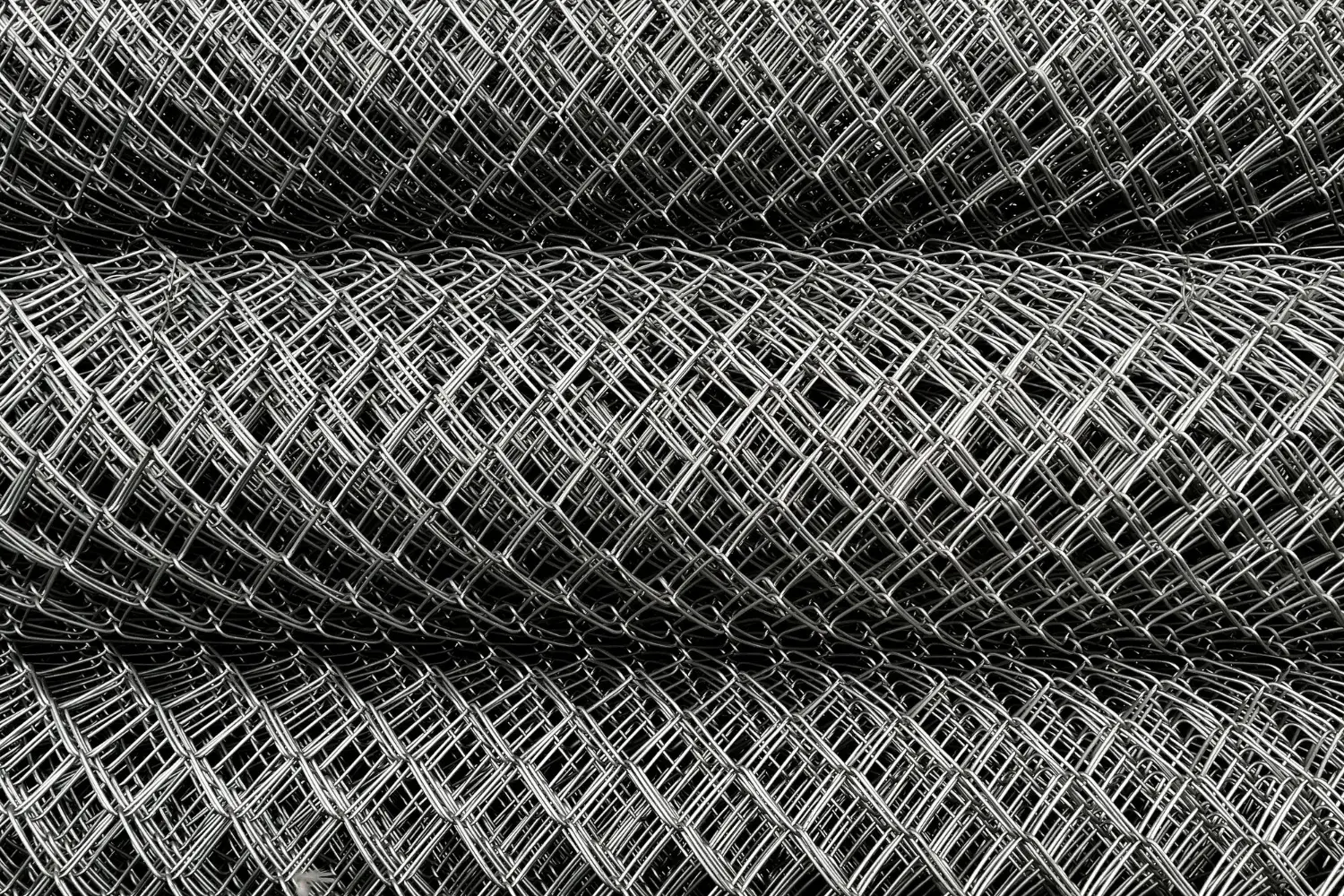
Galvanised iron chain link fencing is made using metal wire protected by a zinc coating. The coating helps protect the underlying metal from corrosion and makes GI fencing a widely considered option for outdoor boundary applications.
Sachi Steel offers GI chain link fencing for applications such as industrial boundaries, construction sites, factories, warehouses, and other perimeter requirements.
Where GI chain link fencing can be suitable
GI chain link fencing may be considered for:
- Industrial plots and factory boundaries
- Warehouses and storage facilities
- Construction sites
- Agricultural and land boundaries
- Utility and infrastructure areas
- General outdoor perimeter protection
The suitability of a specific GI fencing product depends on its wire specification, coating, site conditions, and installation requirements.
What buyers should evaluate
Before selecting GI chain link fencing, buyers should clarify:
- Wire diameter and mesh opening
- Required fence height
- Coating specification
- Environmental exposure
- Support post spacing and type
- Required fittings and tensioning arrangements
- Installation and maintenance expectations
These details help ensure that the fencing is evaluated as a complete solution rather than only by its price per unit.
Understanding PVC-Coated Chain Link Fencing
PVC-coated chain link fencing has a protective polymer coating applied over the metal wire. This additional outer layer can provide another barrier between the metal and the surrounding environment, while also offering a finished appearance.
Sachi Steel’s PVC-coated chain link fencing can be considered for sites where the project requires a coated finish and where the fencing specification is suited to the intended exposure conditions.
Where PVC-coated chain link fencing can be suitable
PVC-coated chain link fencing may be considered for:
- Industrial and commercial property boundaries
- Residential and institutional perimeter areas
- Sports and recreational spaces
- Agricultural boundaries
- Utility areas
- Projects where a coloured or finished appearance is preferred
The appropriate product should be selected based on the coating specification, underlying wire, site environment, and installation method.
What buyers should evaluate
When comparing PVC-coated fencing options, buyers should confirm:
- Base wire material and specification
- Coating material and thickness
- Wire diameter, including how it is specified
- Mesh size and fence height
- Colour and finish requirements
- Resistance requirements for the intended environment
- Installation and handling instructions
A PVC coating should not be treated as a guarantee of unlimited corrosion resistance. Performance depends on the product specification, coating quality, site exposure, and whether the coating remains intact during installation and use.
GI vs PVC-Coated Chain Link Fencing: What Is the Difference?
GI and PVC-coated chain link fencing can both be suitable for outdoor applications, but they are not interchangeable in every project.
Consideration
GI Chain Link Fencing
PVC-Coated Chain Link Fencing
Protective finish
Zinc coating
Polymer coating over the metal wire
Appearance
Metallic finish
Coated finish, often available in different colours
Application
General outdoor and industrial boundaries
Outdoor boundaries where a coated finish is preferred
Selection priority
Coating specification and exposure conditions
Base wire, coating specification, and exposure conditions
Maintenance
Depends on site conditions and coating integrity
Depends on site conditions and coating integrity
Key buying check
Confirm galvanisation and wire specifications
Confirm base wire and PVC coating specifications
The right choice depends on the actual site environment and project requirements. Buyers should request the relevant product specifications and compare them against the conditions in which the fence will operate.
How to Choose Chain Link Fencing for Industrial Sites
Selecting fencing for an industrial property requires more than deciding between GI and PVC-coated wire. The entire boundary system should be planned around the site’s use, dimensions, exposure, and security requirements.
1. Identify the purpose of the boundary
Start by defining what the fence needs to achieve.
For example, a warehouse boundary may primarily need to define the property and discourage unauthorised entry. A construction site may require temporary or changing perimeter arrangements. An industrial facility may need a more carefully planned boundary system around operational areas.
The purpose influences fence height, mesh size, support requirements, and the type of fencing that should be evaluated.
2. Assess the environmental conditions
Consider the conditions around the site before finalising the material.
Ask:
- Is the site exposed to frequent rainfall or high humidity?
- Is there standing water near the fence line?
- Is the fence located near industrial emissions or chemical exposure?
- Is the site close to a coastal or otherwise corrosive environment?
- Will the fence be exposed to regular cleaning or irrigation?
- Are there specific maintenance limitations?
The answers can help determine which coating and material specifications should be considered.
3. Confirm the fencing dimensions
Fence height, total boundary length, mesh opening, and wire diameter should be finalised before ordering.
Accurate measurements help estimate material quantities and reduce the risk of ordering insufficient or unsuitable fencing.
For large projects, the buyer should also account for corners, gates, changes in ground level, and any sections requiring different specifications.
4. Evaluate the complete fencing system
Chain link fencing relies on more than the mesh itself.
The project may also require:
- Support posts
- Corner and end posts
- Tension wires or bars
- Clamps and fixing accessories
- Gates and access points
- Suitable foundations or post fixing arrangements
A coordinated specification helps the fencing remain properly supported and aligned after installation.
5. Consider maintenance and replacement access
The site team should understand how the fence will be inspected and maintained.
For example, fencing near vehicle movement, loading areas, or active construction zones may be more exposed to accidental impact. Planning access for inspection and repair can make maintenance easier.
Common Industrial Applications of Chain Link Fencing
Factory and manufacturing unit boundaries
Factories often require clearly defined boundaries around production areas, storage spaces, and access points.
Chain link fencing can help establish a perimeter while maintaining visibility through the fence. The appropriate specification should be selected according to the site’s operational and environmental requirements.
Warehouse and logistics facilities
Warehouses and logistics facilities may have large boundary lengths, vehicle movement, and multiple access points.
For these projects, buyers should consider fence alignment, gate locations, support arrangements, and the durability requirements of areas exposed to regular activity.
Construction sites
Construction sites may require fencing to define work areas and manage access during different stages of a project.
The fencing specification should reflect the expected project duration, site conditions, and whether the boundary may need to be modified or relocated.
Agricultural and land boundaries
Agricultural applications may involve long boundary stretches and exposure to rain, irrigation, soil contact, and vegetation.
The choice of fencing should account for the surrounding environment, required height, support spacing, and expected maintenance.
Utility and infrastructure sites
Utility and infrastructure projects may require perimeter fencing around equipment, operational areas, or restricted-access zones.
The material and installation specifications should be aligned with project requirements and any applicable safety or security standards.
How Sachi Steel Supports Fencing Requirements
Sachi Steel provides fencing solutions for industrial, commercial, construction, and other boundary applications. Its fencing range includes GI chain link, PVC-coated chain link, and stainless steel chain link options.
For buyers evaluating fencing for a project, the selection process should begin with the site’s requirements rather than a generic product choice.
Fencing options for different applications
Sachi Steel’s fencing solutions can be evaluated based on the required application, material, coating, dimensions, and installation conditions.
For projects involving multiple construction materials, buyers can also explore Sachi Steel’s complete product range, which includes reinforcement and related construction solutions.
Supporting broader construction requirements
Industrial and infrastructure projects may require fencing alongside reinforcement products and other steel requirements.
Depending on the project, relevant solutions may include:
Sachi Steel’s About Us page provides further information about the company and its construction-material solutions.
Questions to Ask Before Ordering Industrial Chain Link Fencing
Before finalising a fencing order, buyers and project teams should clarify the following points with their supplier.
What is the exact fencing specification?
Confirm wire diameter, mesh opening, fence height, material, and coating requirements. Ensure that the quotation and supplied product refer to the same specification.
Is the coating suitable for the site environment?
Discuss the expected exposure conditions and request the relevant product details. Avoid assuming that all GI or PVC-coated fencing products offer identical performance.
Are the support posts and accessories included?
Clarify whether the quotation covers only chain link mesh or also includes posts, fittings, tensioning components, gates, and other required accessories.
How will the fencing be installed?
Confirm the installation method, post spacing, fixing details, and any requirements related to uneven ground or site-specific conditions.
What should be inspected at delivery?
The project team should check the supplied dimensions, coating condition, quantity, and visible damage before installation. Any discrepancies should be raised with the supplier promptly.
What maintenance may be required?
Ask about inspection and maintenance recommendations for the selected fencing specification and site conditions.
Frequently Asked Questions
Is GI chain link fencing suitable for industrial boundaries?
GI chain link fencing can be suitable for many industrial boundary applications. The correct specification depends on the site environment, wire dimensions, coating, support system, and project requirements.
Is PVC-coated chain link fencing better than GI fencing?
Not necessarily. PVC-coated and GI chain link fencing offer different finishes and protective systems. The better choice depends on the site’s exposure conditions, required appearance, product specifications, and maintenance expectations.
What causes chain link fencing to corrode?
Corrosion may be influenced by moisture, coating damage, environmental exposure, poor handling, and the suitability of the selected material for the site conditions.
Can chain link fencing be used for warehouses and factories?
Yes. Chain link fencing is commonly considered for warehouse and factory boundaries, subject to the required dimensions, material, coating, support arrangements, and site-specific needs.
What should be checked before buying chain link fencing in bulk?
Buyers should confirm the wire specification, mesh size, fence height, coating, total quantity, accessories, delivery requirements, and installation arrangements. For large projects, a detailed specification helps maintain consistency across the boundary.
Where can I explore Sachi Steel’s fencing products?
You can explore Sachi Steel’s fencing range and contact the team through the Contact Us page to discuss project requirements.
Conclusion
Industrial boundary fencing should be selected according to the environment in which it will be installed, the level of protection required, and the project’s long-term maintenance expectations.
GI and PVC-coated chain link fencing can both serve a range of outdoor applications, but the right choice depends on the product specification, site exposure, installation quality, and support system. Evaluating these factors before ordering can help buyers avoid premature deterioration, unnecessary repairs, and specification mismatches.
For industrial, commercial, construction, and infrastructure projects, Sachi Steel offers GI, PVC-coated, and stainless steel chain link fencing solutions that can be evaluated against project-specific requirements. To discuss your fencing needs, visit Sachi Steel or contact the team.