If you are planning reinforcement work for a construction project, one common question is: how much binding wire is required for 1 ton of steel?
The short answer is that there is no single fixed quantity for every project.
As a general estimation, binding wire consumption is often calculated at around 8 to 12 kg for every 1 ton of reinforcement steel. However, the actual requirement can vary depending on the type of structure, reinforcement density, bar diameter, spacing, tying method, and site practices.
For contractors, builders, engineers, and procurement teams, understanding these factors is important for ordering the right quantity of binding wire and avoiding unnecessary material shortages during construction.
How Much Binding Wire Is Required for 1 Ton of Steel?
For preliminary procurement planning, many construction teams estimate approximately:
8 to 12 kg of binding wire per 1 ton of reinforcement steel.
However, this should only be treated as a general estimate.
The actual quantity required for a project may be lower or higher depending on how the reinforcement has been designed and installed.
For example, a project involving closely spaced reinforcement may require more tying points than a structure with larger spacing between bars.
Similarly, complex reinforcement arrangements can increase binding wire consumption.
Why Is There No Fixed Binding Wire Consumption Rate?
It may seem logical that one ton of steel should always require a standard quantity of binding wire.
In practice, construction projects are rarely that simple.
One ton of reinforcement steel can be arranged in many different ways.
The steel may be used in:
- Foundations
- Columns
- Beams
- Slabs
- Walls
- Infrastructure structures
- Industrial projects
Each application can have different bar diameters, spacing requirements, reinforcement density, and tying patterns.
This is why binding wire requirements should be estimated according to the actual project rather than relying entirely on a universal number.
What Factors Affect Binding Wire Consumption?
Several factors can influence how much binding wire is required for one ton of steel.
1. Type of Structure
The type of structure being constructed can significantly influence binding wire consumption.
A heavily reinforced foundation may have different tying requirements compared to a residential slab.
Similarly, columns, beams, walls, and infrastructure structures can require different reinforcement arrangements.
The more complex the reinforcement, the greater the potential number of tying points.
2. Diameter of Reinforcement Bars
Bar diameter can also affect binding wire requirements.
One ton of smaller-diameter reinforcement bars contains a greater total length of steel compared to one ton of larger-diameter bars.
More bars and greater overall length can result in additional intersections and tying points.
Therefore, projects using smaller-diameter reinforcement may require different quantities of binding wire compared to projects using larger bars.
3. Spacing Between Reinforcement Bars
Closely spaced reinforcement creates more intersections.
More intersections generally mean more tying points.
A slab or structural component with dense reinforcement can therefore consume more binding wire than a structure with wider bar spacing.
4. Complexity of Reinforcement
Simple reinforcement arrangements may require relatively straightforward tying.
Complex structural components can involve:
- Multiple reinforcement layers
- Closely spaced bars
- Additional reinforcement
- Complex intersections
- Congested reinforcement zones
These factors can increase the number of ties required during construction.
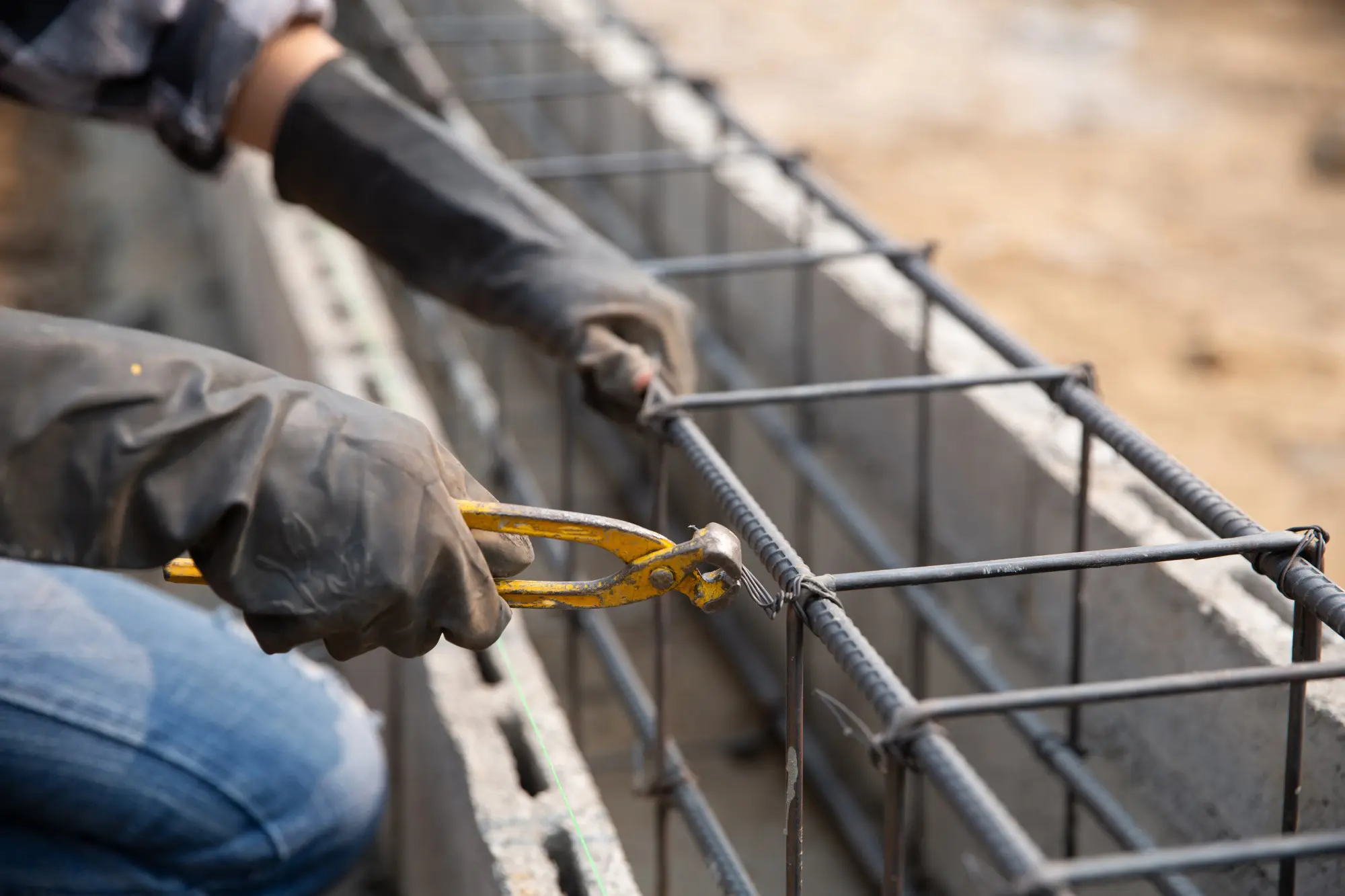
5. Tying Method
The method used by workers to secure reinforcement can influence binding wire consumption.
Different construction teams may use different tying techniques depending on project specifications and site practices.
The length of wire used for each tie can also affect overall consumption.
Even a small difference in wire usage per tie can become significant across thousands of reinforcement intersections.
6. Material Wastage
Construction material estimates should also consider potential wastage.
Binding wire may be lost during:
- Cutting
- Handling
- Transportation
- Storage
- Site usage
Including a reasonable wastage allowance can help contractors avoid unexpected shortages during reinforcement work.
How Can Contractors Estimate Binding Wire Requirements?
For an initial estimate, contractors can begin with the general range of 8 to 12 kg of binding wire per ton of reinforcement steel.
For example:
Reinforcement SteelEstimated Binding Wire Requirement1 Ton8–12 kg5 Tons40–60 kg10 Tons80–120 kg25 Tons200–300 kg50 Tons400–600 kg100 Tons800–1,200 kg
These quantities are indicative estimates only.
Actual project requirements should be calculated according to structural drawings, reinforcement arrangements, site practices, and engineering requirements.
Why Accurate Binding Wire Estimation Matters
Binding wire represents a relatively small portion of the overall construction material budget.
However, underestimating requirements can still create unnecessary problems.
If binding wire runs out during active reinforcement work, contractors may face:
- Emergency procurement
- Additional transportation costs
- Site interruptions
- Labour downtime
- Repeated small orders
- Procurement delays
Accurate estimation allows contractors to plan purchases more efficiently and maintain adequate material availability throughout construction.
Should Contractors Order Extra Binding Wire?
In many cases, maintaining a reasonable additional quantity can help account for wastage and changing site requirements.
However, the appropriate buffer depends on the scale and nature of the project.
Instead of significantly overordering, contractors should consider:
- Total reinforcement quantity
- Expected project duration
- Material consumption patterns
- Delivery schedules
- Supplier availability
For larger projects, phased procurement may help maintain material availability without requiring the entire binding wire requirement to be stored on site at once.
Binding Wire Is a Small Product With a Big Role
Contractors naturally spend considerable time planning major construction materials such as reinforcement steel.
But regularly used products such as binding wire are equally important for maintaining day-to-day construction activity.
Reinforcement work across foundations, columns, beams, slabs, and other structural components requires consistent access to dependable construction wire.
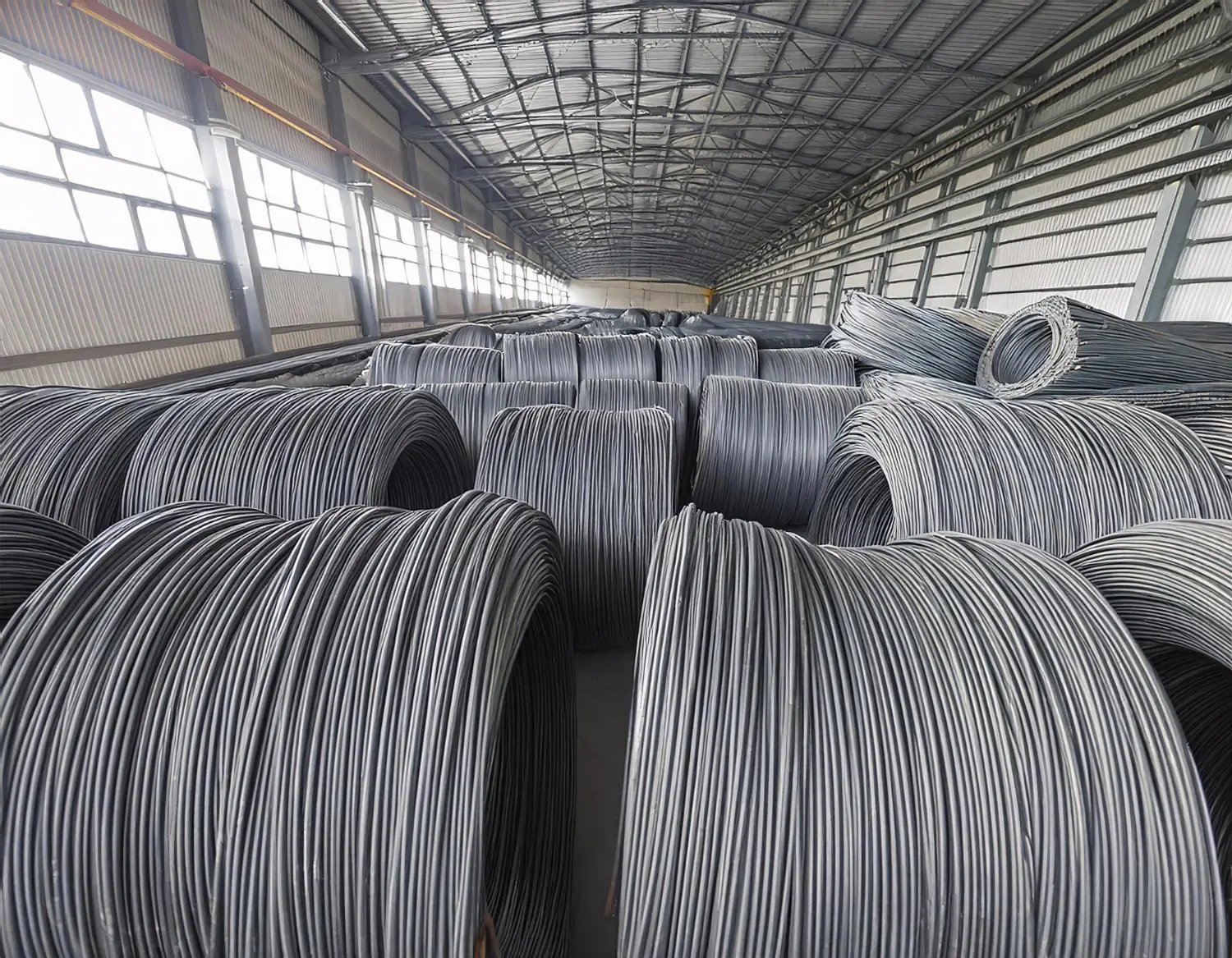
Through Sachi Wires, Sachi Steel supports contractors, builders, developers, and construction companies with binding wire solutions for projects across Gujarat.
How Binding Wire Fits Into the Wider Reinforcement Process
Binding wire does not work independently.
It is part of a larger reinforcement ecosystem.
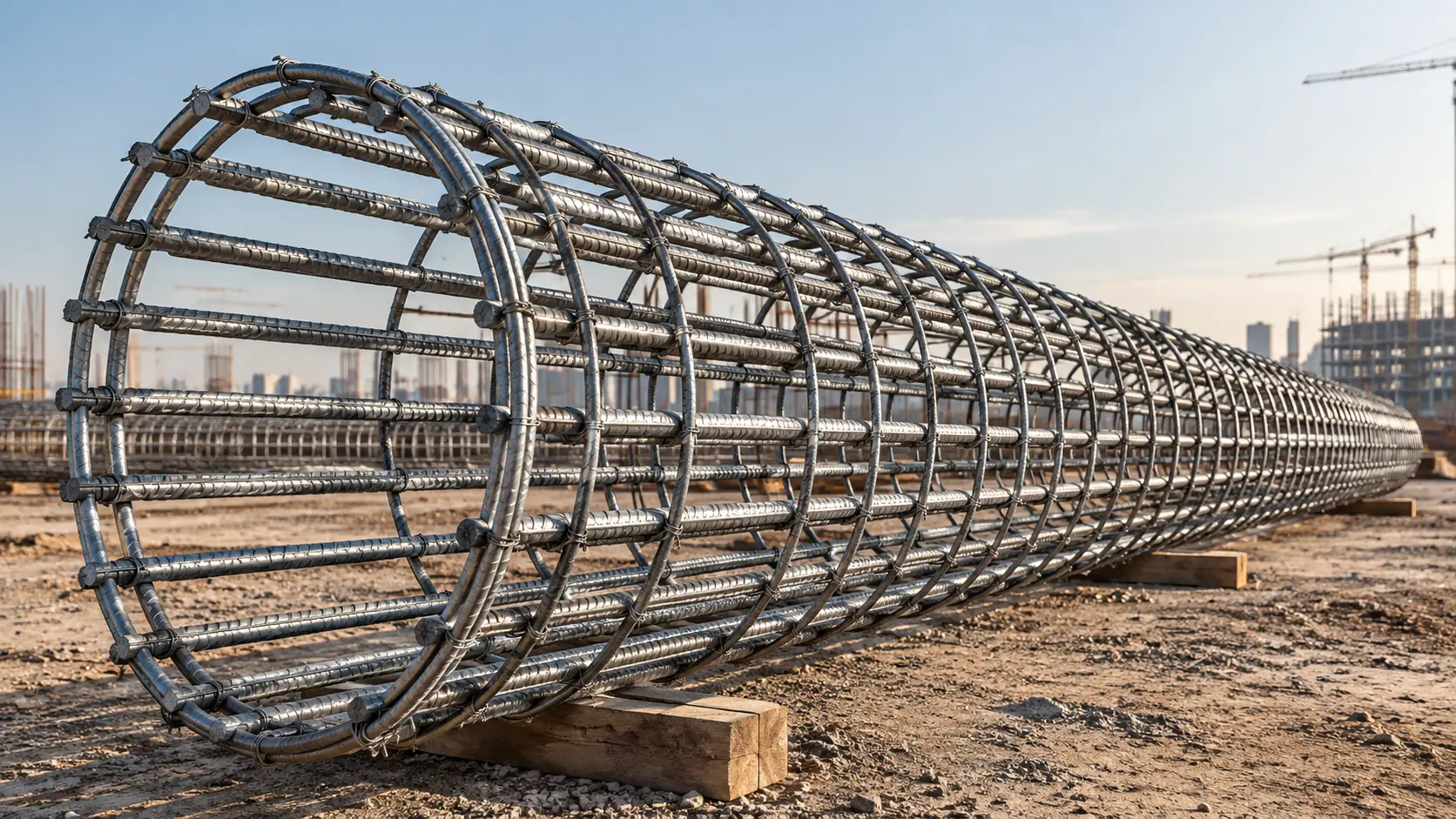
Depending on project requirements, contractors may use binding wire alongside Tata Tiscon TMT Bars, Tata Tiscon Couplers, Weld Mesh Reinforcement Solutions, Bore Pile Cage Reinforcement, and Cut & Bend Services.
Working with a supplier capable of supporting multiple construction requirements can help project teams simplify procurement and reduce unnecessary vendor coordination.
Looking for a Binding Wire Manufacturer in Gujarat?
When choosing a binding wire manufacturer or supplier in Gujarat, contractors should consider more than price.
Important factors include:
- Product consistency
- Manufacturing capabilities
- Quantity availability
- Supply reliability
- Delivery capabilities
- Industry experience
Sachi Steel supports projects across Gujarat through Sachi Wires and its wider portfolio of reinforcement and construction solutions.
Frequently Asked Questions
How much binding wire is required for 1 ton of steel?
A commonly used preliminary estimate is approximately 8 to 12 kg of binding wire for every 1 ton of reinforcement steel. Actual consumption can vary according to bar diameter, reinforcement spacing, structural design, tying methods, and site practices.
How much binding wire is required for 10 tons of steel?
Using the general estimate of 8 to 12 kg per ton, approximately 80 to 120 kg of binding wire may be required for 10 tons of reinforcement steel. The actual requirement should be determined according to project conditions.
How much binding wire is required for 100 tons of steel?
Based on a preliminary estimate of 8 to 12 kg per ton, 100 tons of reinforcement steel may require approximately 800 to 1,200 kg of binding wire. Actual consumption can vary significantly by project.
What factors affect binding wire consumption?
Binding wire consumption can be influenced by reinforcement density, bar diameter, spacing, structural complexity, tying methods, workmanship, and material wastage.
Where can I buy binding wire in Gujarat?
Contractors, builders, developers, and construction companies can source Sachi Wires for projects across Gujarat.
Does Sachi Steel supply other reinforcement products?
Yes. Alongside Sachi Wires, Sachi Steel supplies Tata Tiscon Couplers, Weld Mesh, Bore Pile Cages, Industrial Fencing Solutions, and Cut & Bend Services.
Conclusion
So, how much binding wire is required for 1 ton of steel?
For initial planning, 8 to 12 kg per ton can be used as a general estimate, but the actual quantity depends on the specific reinforcement requirements of the project.
Factors such as bar diameter, reinforcement density, spacing, structural complexity, tying practices, and wastage can all influence consumption.
By planning binding wire requirements carefully and working with a dependable supplier, contractors can reduce emergency procurement, maintain material availability, and keep reinforcement work moving efficiently.
Through Sachi Wires and its comprehensive range of construction solutions, Sachi Steel supports builders, contractors, developers, and engineers with dependable products for projects across Gujarat.