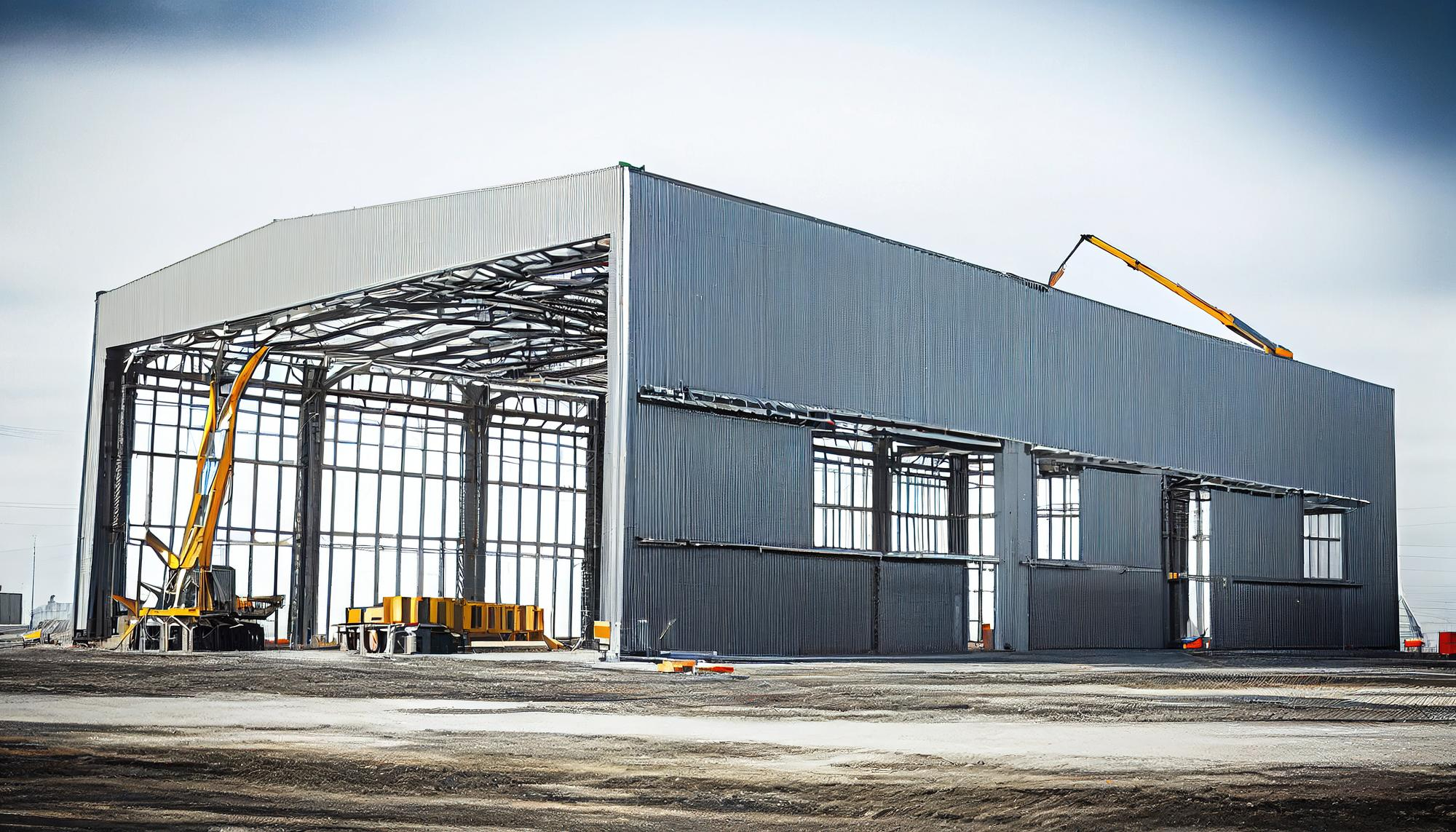
Warehouse construction is growing rapidly across Gujarat.
From e-commerce fulfillment centers and logistics parks to manufacturing storage facilities and distribution hubs, developers are investing heavily in warehouse infrastructure to support the state's expanding industrial economy.
But building a warehouse is very different from building a residential or commercial property.
Warehouses require larger floor areas, stronger foundations, durable flooring systems, efficient site planning, and long-term operational performance.
If you're planning a warehouse project in Gujarat, here's a practical construction materials checklist to help ensure smoother execution and better long-term results.
1. Start With Proper Soil Investigation
Before selecting materials, foundation systems, or reinforcement methods, it's important to understand the site's soil conditions.
A soil investigation helps determine:
- Load-bearing capacity
- Groundwater conditions
- Settlement risks
- Foundation requirements
Skipping this step can lead to costly foundation issues later in the project.
Every successful warehouse project starts with understanding what lies beneath the structure.
2. Plan Foundation Reinforcement Early
Warehouses often support:
- Heavy inventory
- Industrial racking systems
- Material handling equipment
- Continuous operational loads
Because of these demands, foundation design becomes one of the most important aspects of construction.
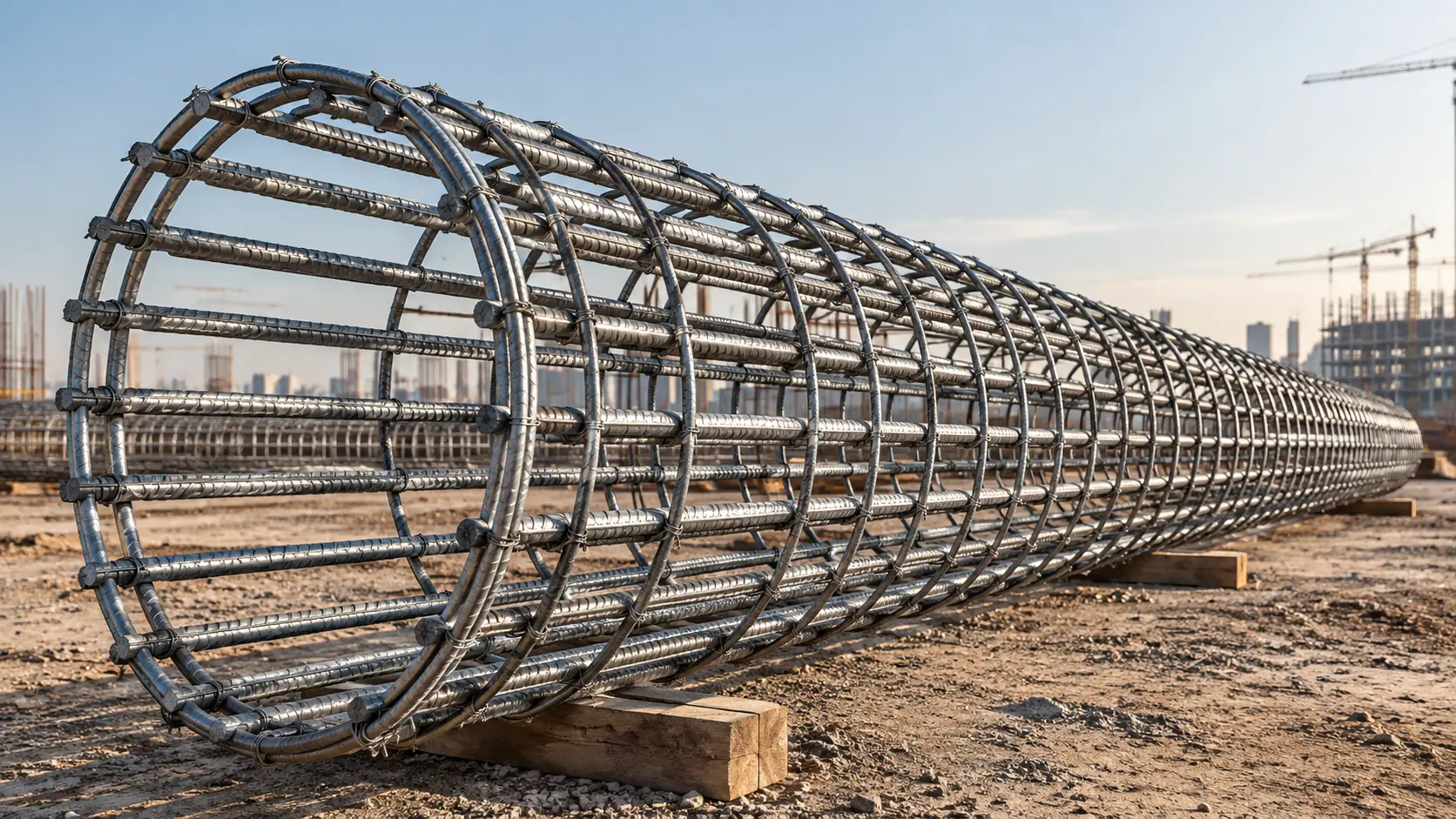
Many large warehouse developments utilize Bore Pile Cage Reinforcement Solutions to help strengthen foundation systems and improve long-term structural performance.
Planning foundation reinforcement early helps prevent delays during execution.
3. Choose the Right Reinforcement for Flooring
Warehouse floors experience significantly more stress than residential floors.
They must withstand:
- Forklift movement
- Pallet storage
- Industrial traffic
- Heavy equipment
This is why many developers choose Weld Mesh Reinforcement Solutions for warehouse flooring and slab construction.
Benefits include:
- Faster installation
- Uniform reinforcement distribution
- Improved crack control
- Reduced labour dependency
- Better construction efficiency
For a detailed comparison, read Traditional Rebar vs Weld Mesh: Which Saves More Time and Cost?.
4. Don't Ignore Flooring Performance
A warehouse floor is one of the most heavily used components of the entire facility.
Poor flooring performance can result in:
- Cracks
- Uneven surfaces
- Operational inefficiencies
- Maintenance costs
Developers should prioritize flooring systems designed specifically for industrial and warehouse environments rather than applying residential construction standards.
5. Plan Site Security Before Construction Begins
Many project owners wait until construction is nearly complete before thinking about security.
Experienced developers usually do the opposite.
Warehouse sites often contain:
- Construction materials
- Equipment
- Machinery
- Valuable inventory
Installing Industrial Fencing Solutions early can help improve site security and reduce operational risks throughout the project lifecycle.
6. Ensure Reliable Supply of Construction Essentials
Warehouse projects consume significant quantities of construction materials.
Material shortages can affect:
- Labour productivity
- Concrete schedules
- Reinforcement installation
- Overall project timelines
Many developers prefer suppliers capable of supporting multiple construction requirements under one roof to simplify procurement and improve coordination.
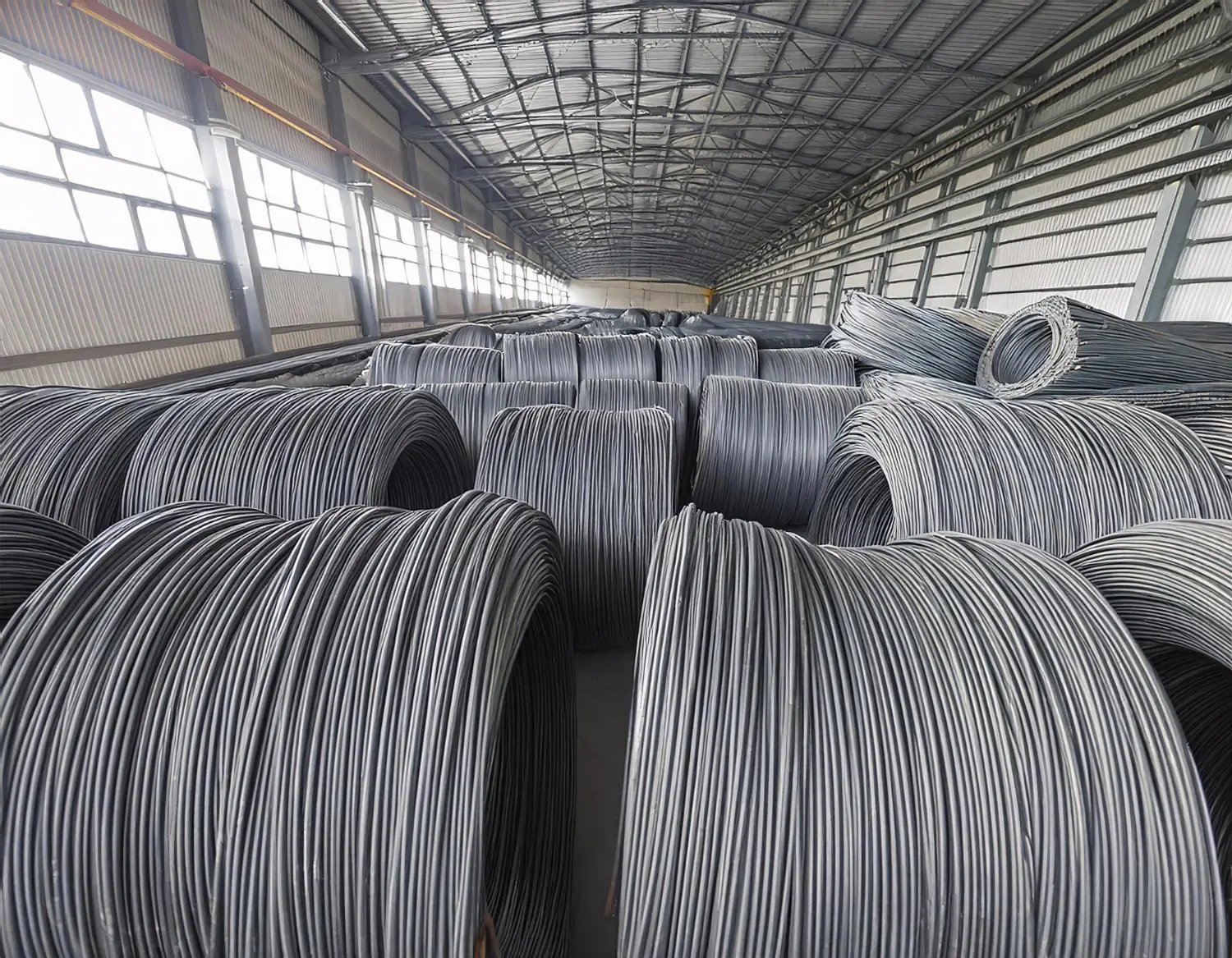
Products such as Sachi Wires are often required throughout different phases of construction and are easier to manage when sourced from an established supplier.
7. Think Beyond Construction Costs
Many first-time developers focus heavily on reducing upfront construction expenses.
However, warehouse facilities are long-term operational assets.
The real goal should be balancing:
- Construction cost
- Structural performance
- Durability
- Maintenance requirements
- Operational efficiency
Investing in quality materials during construction often reduces costs throughout the life of the facility.
8. Choose Suppliers Who Understand Warehouse Construction
Warehouse projects have different requirements compared to residential and commercial buildings.
Builders often look for suppliers who understand:
- Industrial flooring
- Reinforcement systems
- Foundation requirements
- Project timelines
- Large-scale construction needs
Working with experienced construction partners can help improve planning, reduce procurement challenges, and support smoother project execution.
Why Many Warehouse Developers Work With Sachi Steel
Warehouse construction requires multiple solutions working together.
Through:
- Weld Mesh Reinforcement Solutions
- Bore Pile Cage Reinforcement Solutions
- Industrial Fencing Solutions
- Sachi Wires
Sachi Steel supports warehouse developers, contractors, and project teams across Gujarat with solutions designed for modern construction requirements.
Final Warehouse Construction Checklist
Before construction begins, make sure you've planned for:
✓ Soil investigation
✓ Foundation reinforcement
✓ Warehouse flooring reinforcement
✓ Industrial flooring requirements
✓ Site security and fencing
✓ Construction wire requirements
✓ Material procurement planning
✓ Long-term durability considerations
✓ Reliable supplier partnerships
Conclusion
Warehouse construction requires careful planning and the right materials from day one.
Strong foundations, durable flooring systems, reliable reinforcement, and effective site security all contribute to long-term operational success.
Whether you're developing a logistics facility, industrial warehouse, storage center, or distribution hub, selecting the right construction materials and partners can significantly improve project outcomes.
The most successful warehouse projects aren't just built faster—they're built smarter.
FAQs
What materials are most important for warehouse construction?
Foundation reinforcement, floor reinforcement, construction wires, fencing systems, and structural materials are among the most important requirements.
Why is weld mesh commonly used in warehouses?
Weld mesh provides uniform reinforcement distribution, faster installation, and improved flooring performance.
Why are bore pile cages important for warehouse projects?
They help strengthen foundation systems and improve structural stability for heavy-load applications.
When should fencing be installed on a warehouse project?
Many developers install fencing early in the project to improve site security and protect materials and equipment.
What should developers look for in a warehouse construction supplier?
Reliability, product quality, inventory availability, industry experience, and the ability to support multiple project requirements.