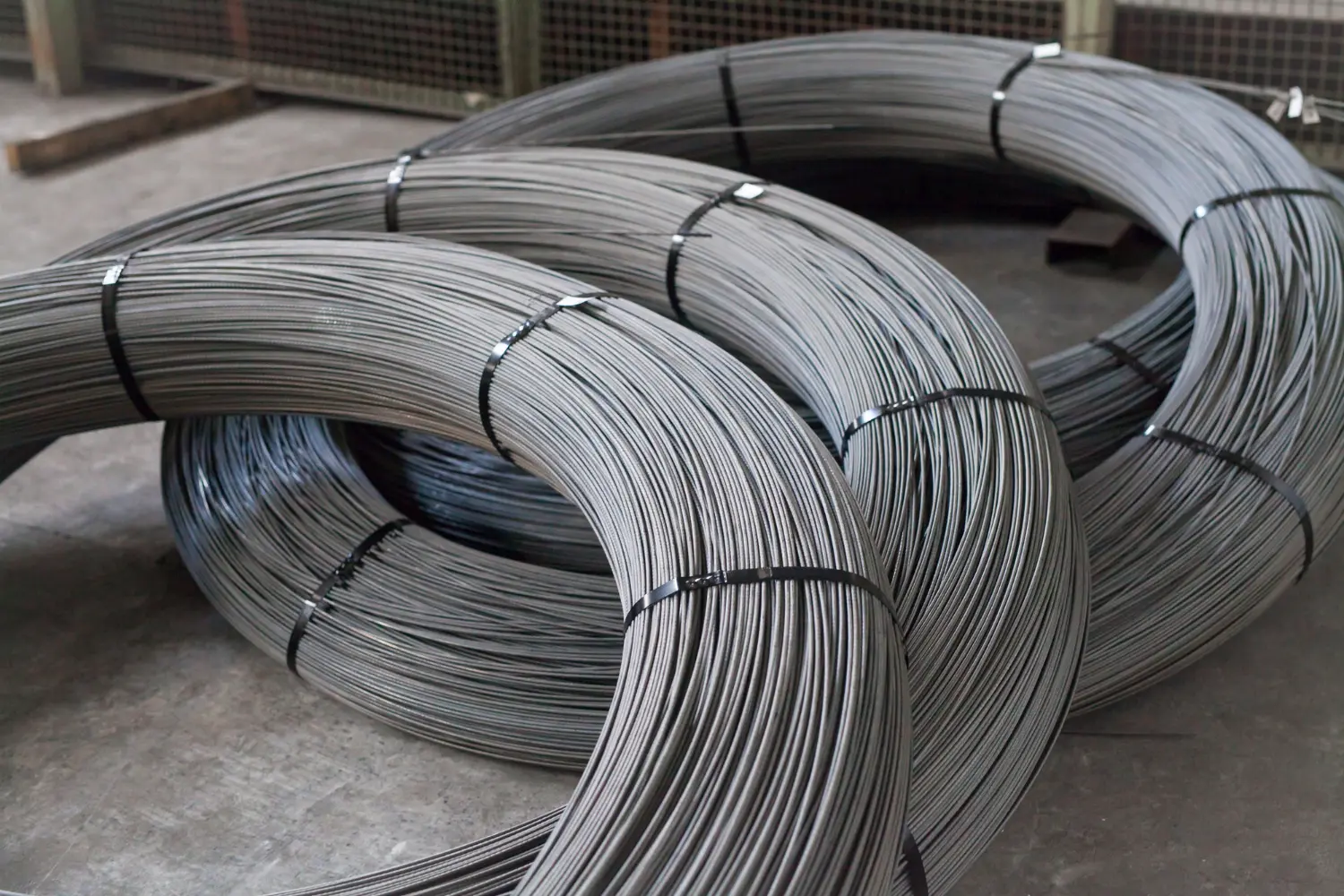
The success of any reinforced concrete structure depends on more than just high-quality steel and concrete. Every foundation, column, beam and slab also relies on a small but essential component—binding wire. Used to securely tie reinforcement bars before concrete placement, binding wire helps maintain reinforcement alignment and supports efficient construction across every stage of an RCC project.
As construction activity continues to grow across Gujarat, builders, contractors and infrastructure companies are looking for dependable manufacturers capable of supplying binding wire in bulk without compromising on quality or delivery timelines. Whether it's a residential township in Ahmedabad, a warehouse in Sanand, an industrial facility in Dahej or a commercial development in Surat, uninterrupted access to quality binding wire is critical for keeping projects on schedule.
Choosing a binding wire manufacturer isn't simply about comparing prices. It's about working with a company that understands construction, maintains consistent manufacturing standards and can support projects throughout their lifecycle.
This guide explains what builders should look for in a binding wire manufacturer, why bulk supply matters and how the right procurement partner can improve project efficiency.
Why Binding Wire Is an Essential Construction Material
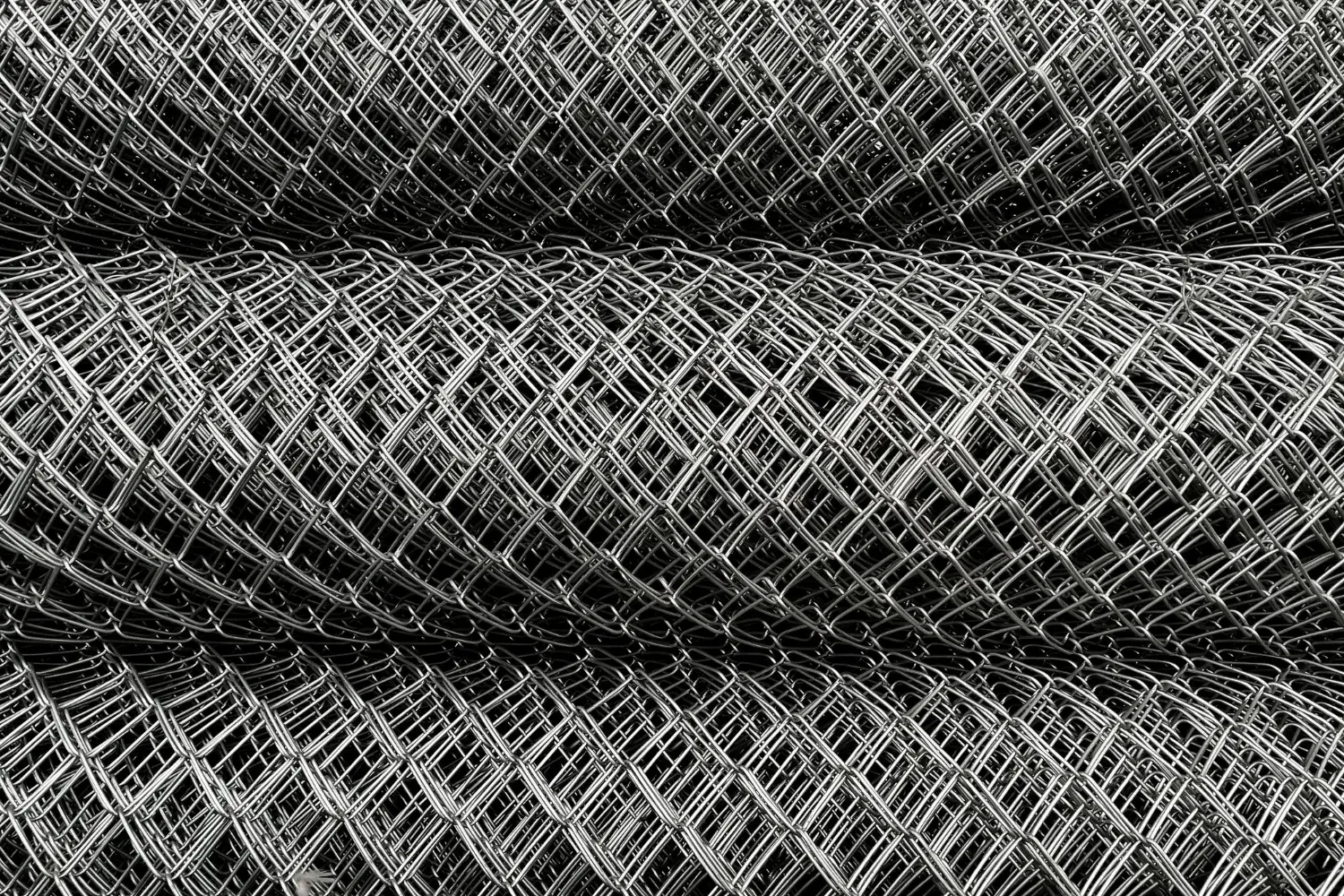
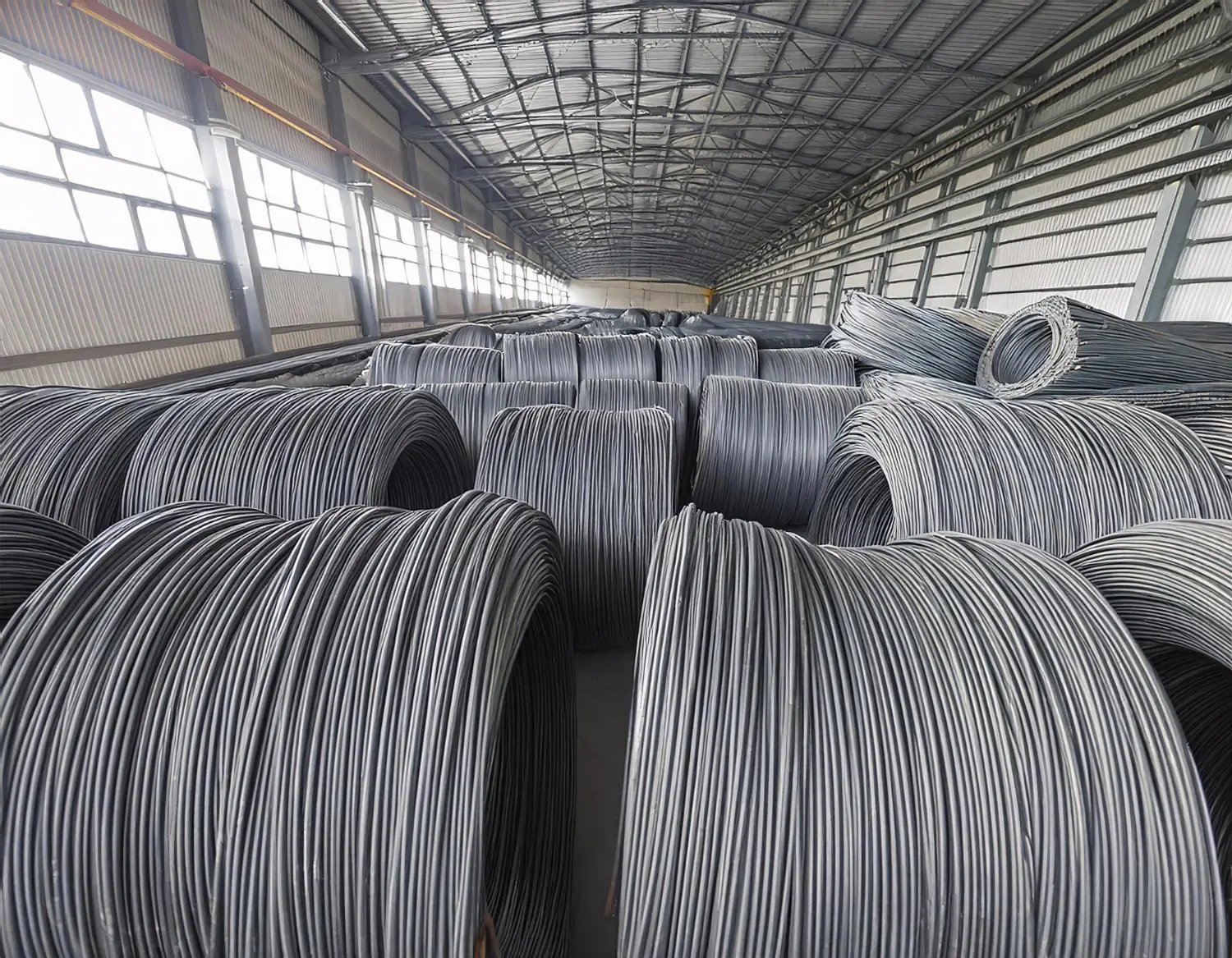
Binding wire is used to tie reinforcement bars together before concrete is poured. Although it represents a small portion of the overall material cost, it is used continuously throughout the reinforcement stage of almost every RCC construction project.
Common applications include:
- Residential apartments
- Commercial buildings
- Industrial sheds
- Warehouses
- Manufacturing plants
- Schools and hospitals
- Infrastructure projects
- Bridges and flyovers
Without properly tied reinforcement, maintaining the designed steel layout during concrete placement becomes much more difficult.
If you're estimating material requirements, our guide How Much Binding Wire Is Required for 1 Ton of Steel? explains how contractors typically calculate binding wire quantities for different types of construction projects.
Why Builders Prefer Buying Directly From a Binding Wire Manufacturer
Large construction projects consume binding wire every day throughout the reinforcement phase. Buying directly from a manufacturer offers several advantages over sourcing through multiple intermediaries.
Consistent Product Quality
Every reinforcement team expects binding wire that is easy to handle, flexible enough for tying and consistent across every batch.
Working with an experienced manufacturer helps ensure product consistency throughout the project.
Businesses across Gujarat rely on Sachi Wires for dependable reinforcement tying across residential, commercial and industrial developments.
Reliable Bulk Supply
High-rise developments, industrial facilities and infrastructure projects often require repeat deliveries over several months.
Manufacturers with dependable production capacity help contractors avoid material shortages that can slow reinforcement work.
Better Procurement Planning
Bulk purchasing allows procurement teams to plan deliveries according to construction milestones instead of placing frequent small orders.
This reduces administrative effort while improving inventory management across the project.
Faster Deliveries Across Gujarat
Construction schedules rarely allow for delays.
An experienced manufacturer should be capable of supporting projects across Ahmedabad, Gandhinagar, Sanand, Changodar, Surat, Vadodara, Rajkot, Dahej, Hazira, Ankleshwar and other major construction markets with timely deliveries.
Industries That Require Bulk Binding Wire
Binding wire is used across nearly every construction segment.
Residential Construction
Apartment projects, villas and townships require continuous reinforcement work from foundations through roof slabs.
Builders typically source Sachi Wires alongside Tata Tiscon TMT Bars to support reinforced concrete construction.
Commercial Projects
Office buildings, shopping centres and mixed-use developments rely on binding wire during every reinforcement stage.
As project sizes increase, contractors often combine binding wire with Cut & Bend Services to improve productivity and reduce on-site steel processing.
Industrial & Warehouse Construction
Factories, warehouses and logistics parks require large quantities of reinforcement materials throughout construction.
Many of these projects also use Weld Mesh for slabs and industrial flooring while continuing to use binding wire for reinforcement tying where required.
Infrastructure Projects
Bridges, metro projects, public utilities and heavy civil engineering works all depend on reliable reinforcement systems.
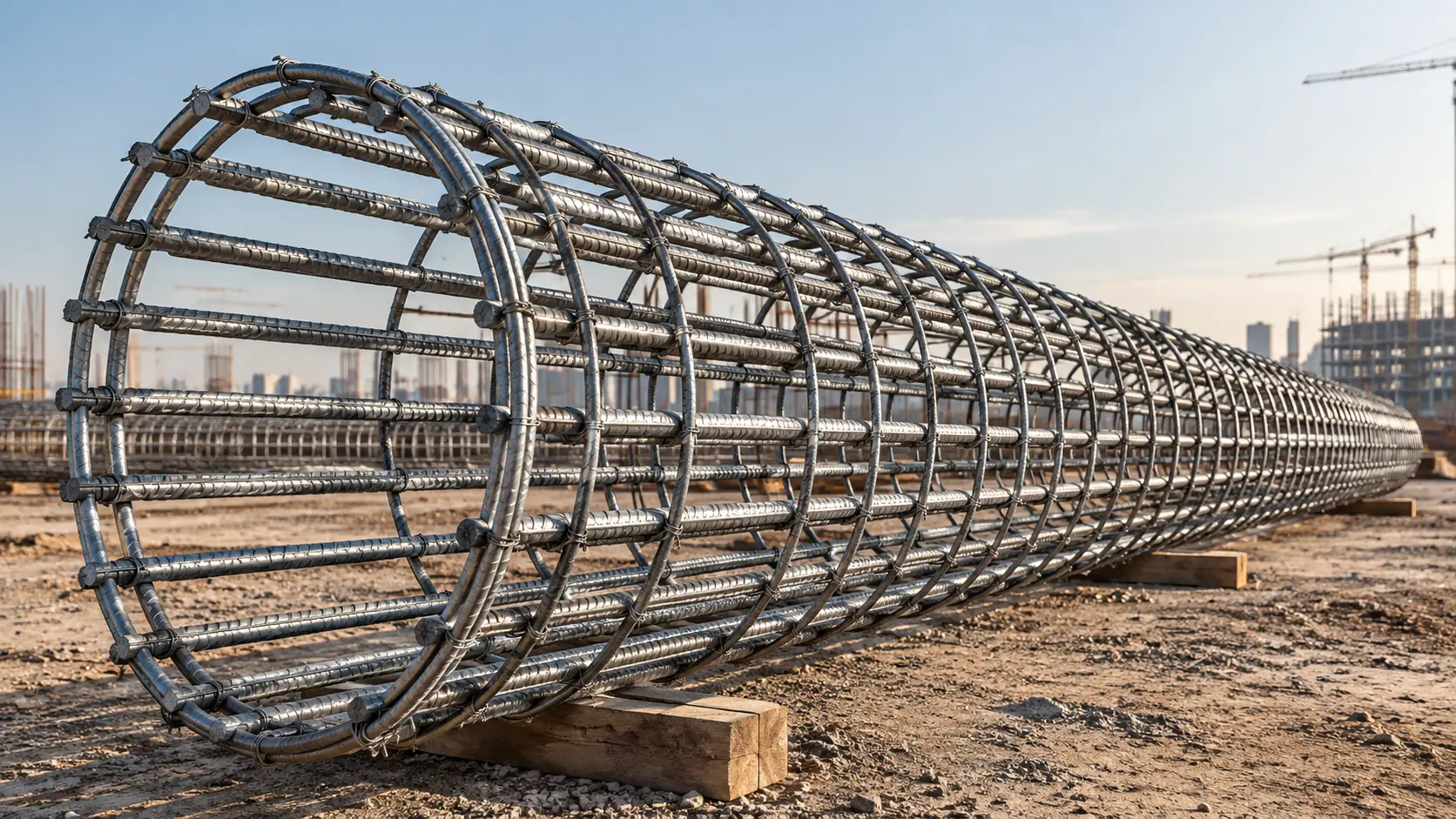
For specialised foundation work, contractors may also procure Bore Pile Cages alongside other reinforcement products from a single supplier.
What to Look for in a Binding Wire Manufacturer
Not every manufacturer is equipped to support large-scale construction projects.
Before placing a bulk order, builders should evaluate several key factors.
Manufacturing Standards
Consistent manufacturing processes result in binding wire that is easier to work with and performs reliably throughout reinforcement installation.
Production Capacity
Large developments often require scheduled deliveries over many months.
Choose a manufacturer capable of maintaining supply without affecting project timelines.
Delivery Network
Reliable logistics are just as important as manufacturing quality.
Timely deliveries help reinforcement teams continue working without interruptions.
Construction Industry Experience
Manufacturers familiar with residential, industrial and infrastructure projects are better positioned to understand procurement schedules and project requirements.